
How Sustainable (wide-format) Print Became a Key Part of the Experience at the La Gacilly Photo Festival
There was a time when sustainability in wide format print was viewed as an exercise in compromise.
If environmental credentials improved, quality inevitably suffered. If durability increased, recyclability declined. If visual impact mattered most, environmental performance became secondary.
Increasingly, those assumptions are no longer true.
The latest FuturePrint Podcast with Stanislas de Missolz from Groupe MediaGraphic illustrates how one of Europe's most remarkable cultural events is brilliantly demonstrating that sustainability has moved beyond aspiration and into expectation.
The setting is the La Gacilly Photo Festival, an extraordinary exhibition that transforms an entire village into an open-air photographic gallery. Over four months, more than 800 large-format photographs occupy gardens, streets, parks and public spaces, attracting more than 300,000 visitors annually. Rather than asking visitors to enter a gallery, the festival allows art to become part of everyday life.
It is an ambitious undertaking.
Every image must withstand changing weather, prolonged exposure to sunlight, wind, rain and fluctuating temperatures, while preserving the artistic intent of internationally renowned photographers. At this scale, imperfections become highly visible. Colour fidelity, sharpness and material durability are not desirable characteristics; they are fundamental requirements.
This year's project earned Groupe MediaGraphic its second consecutive Kavalan Green Leader Award, recognising the successful deployment of PVC-free media within one of the most demanding outdoor exhibition environments imaginable. Yet the significance of the project extends well beyond winning an industry award.
It reflects a broader transition taking place across visual communications.
For many years, sustainability discussions within print have tended to focus on materials. Which substrate? Which ink? Which recycling pathway? These remain important questions, but they represent vital components that make up a bigger picture.
What Stanislas repeatedly returned to throughout the conversation was collaboration.
No single organisation delivered the La Gacilly installation.
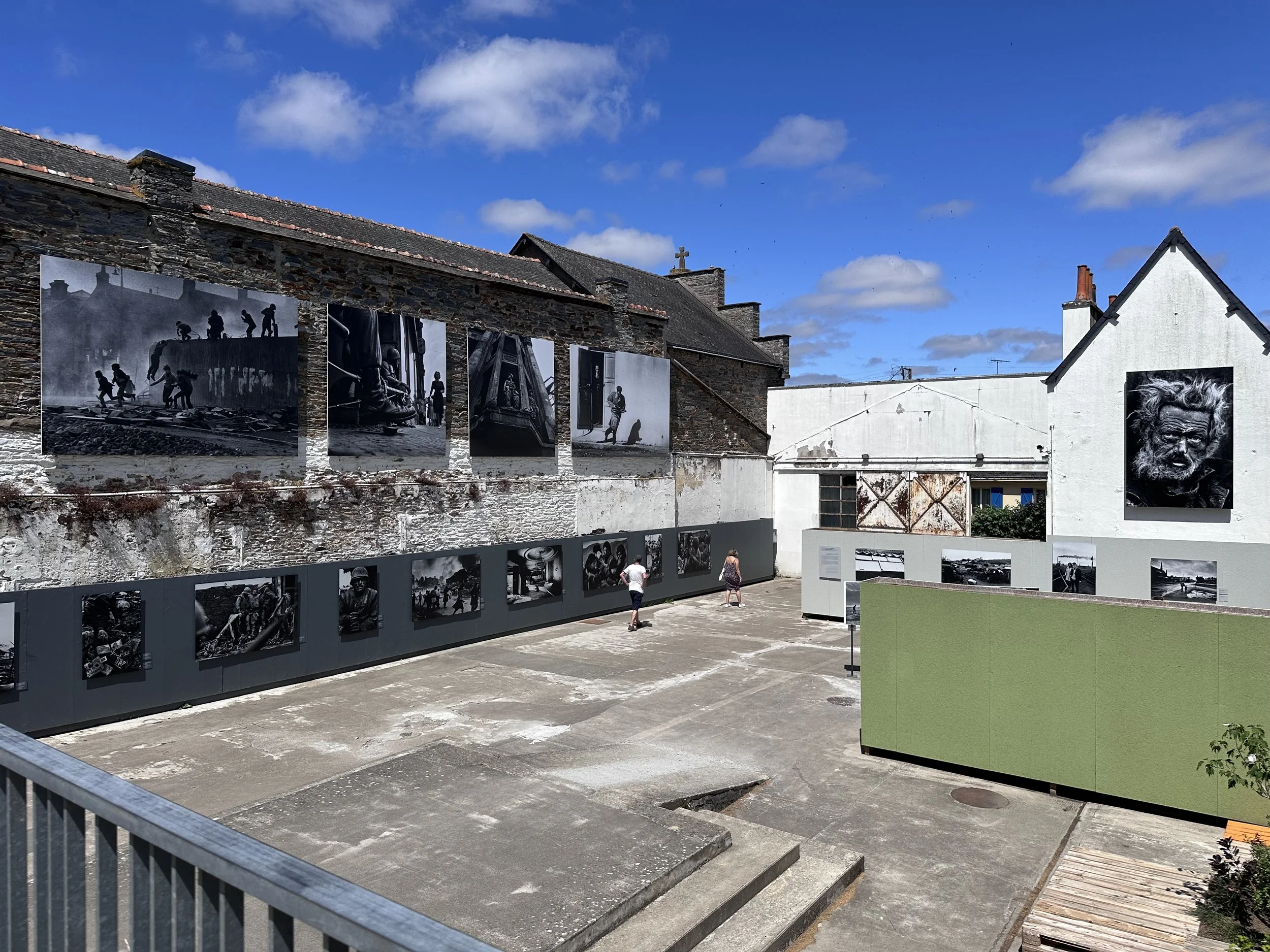
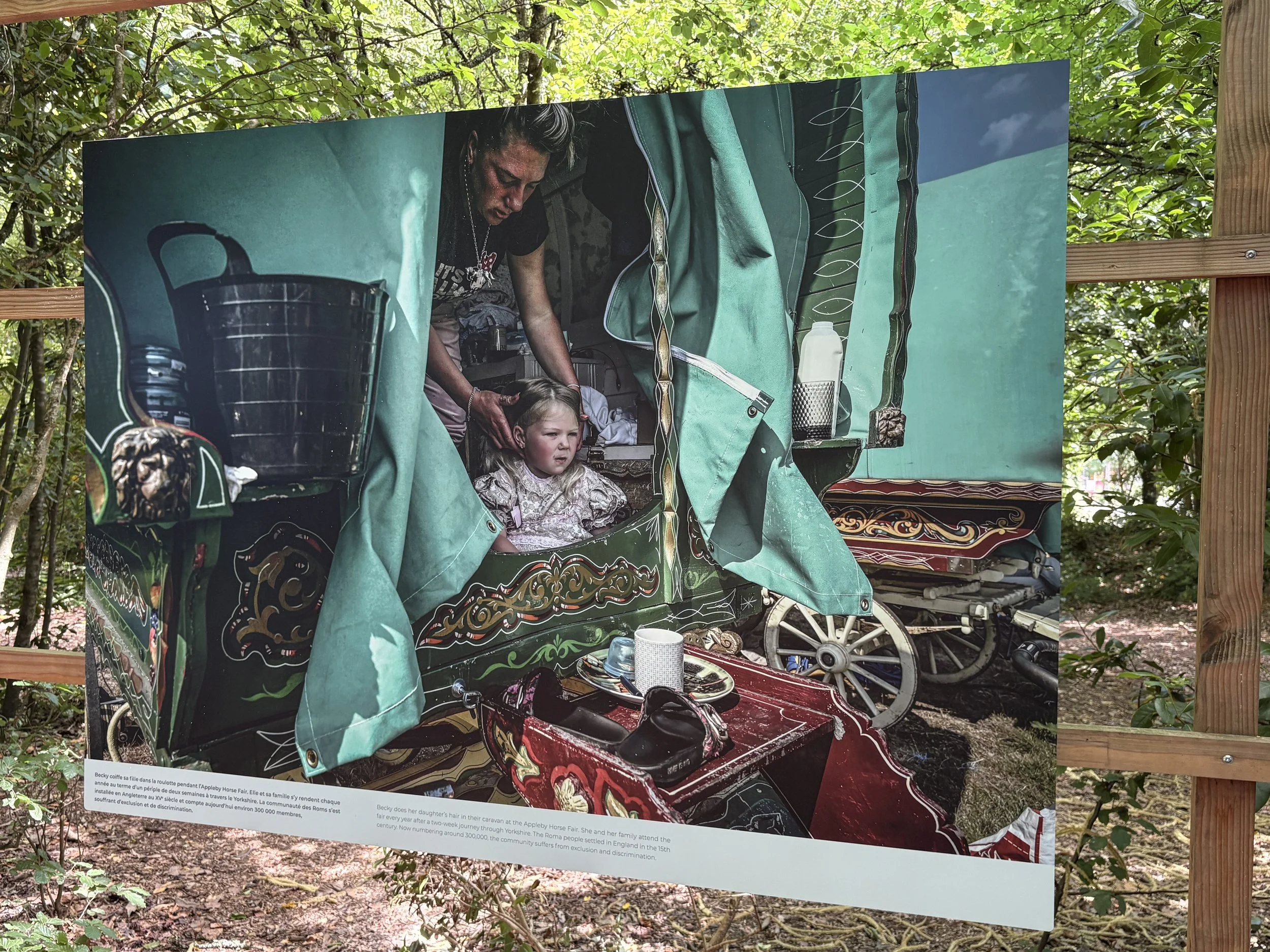
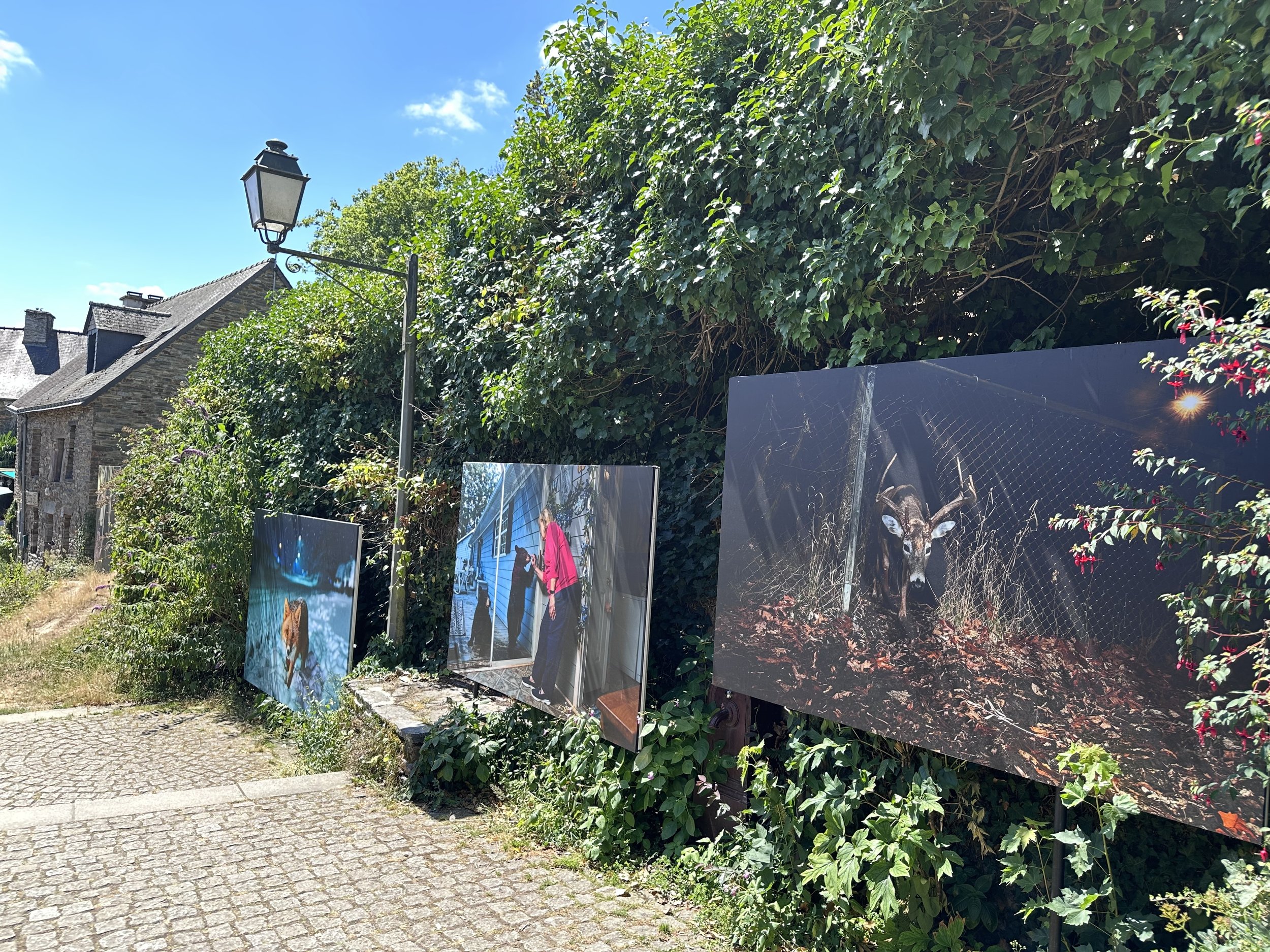
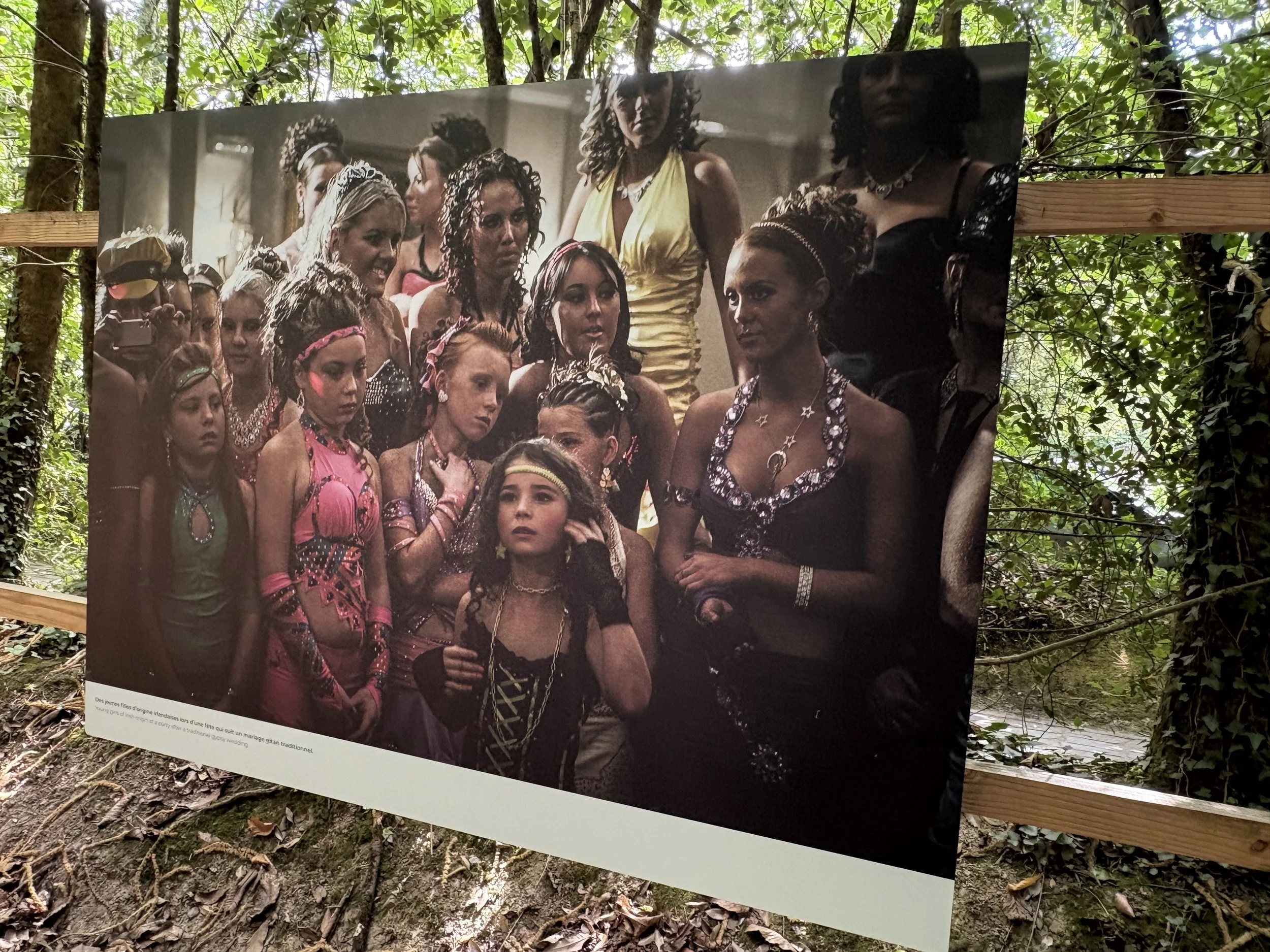
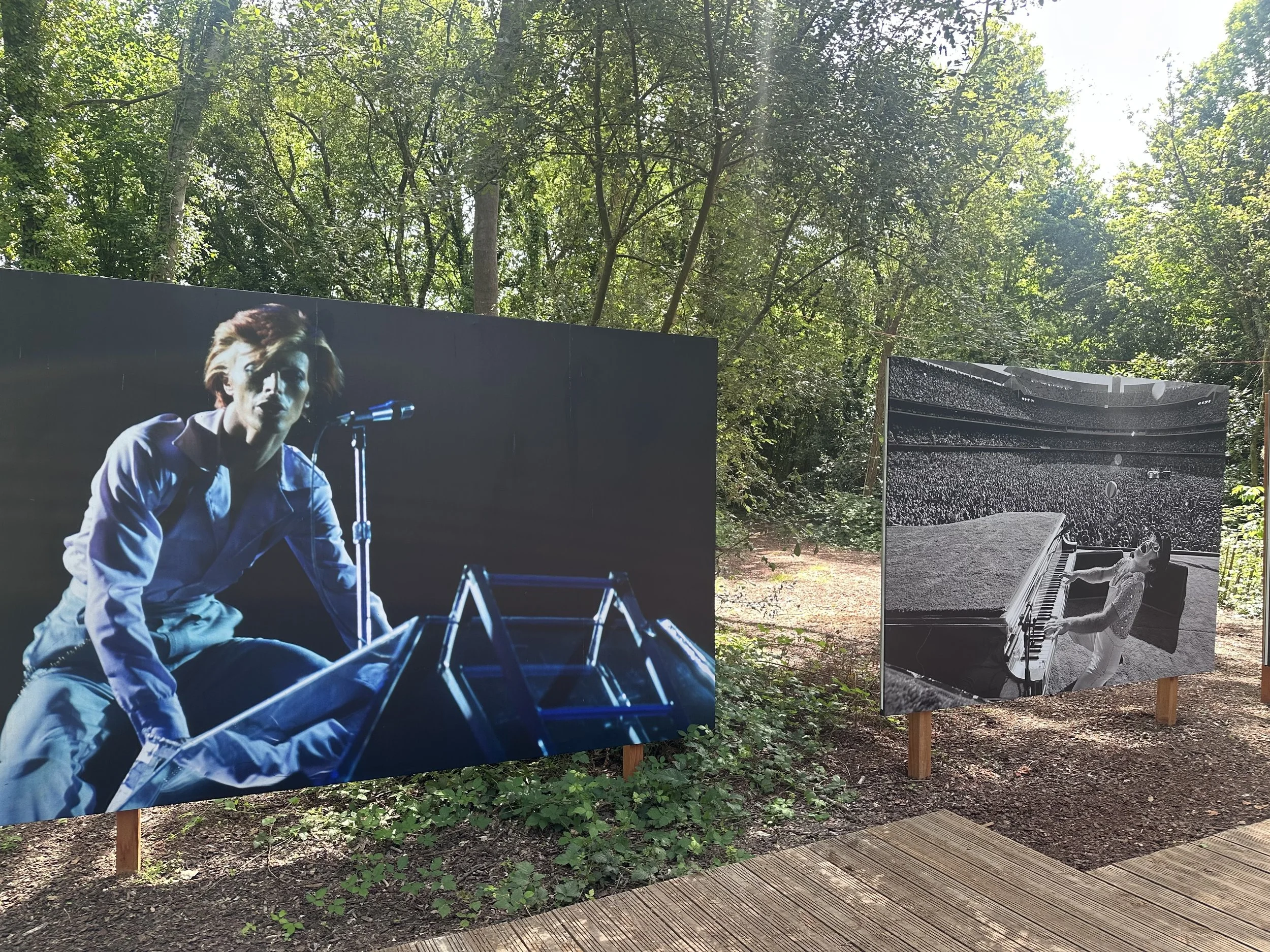
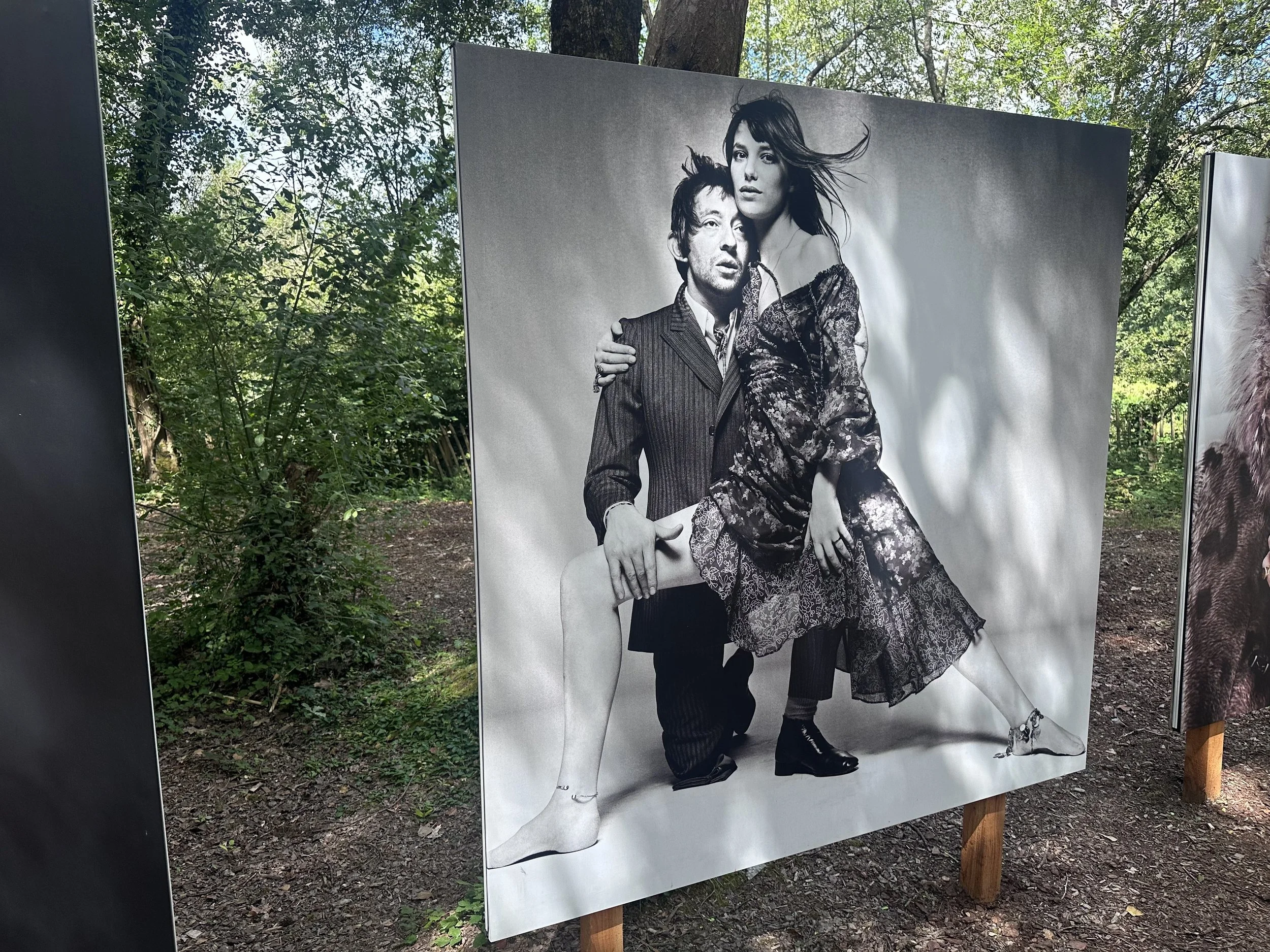
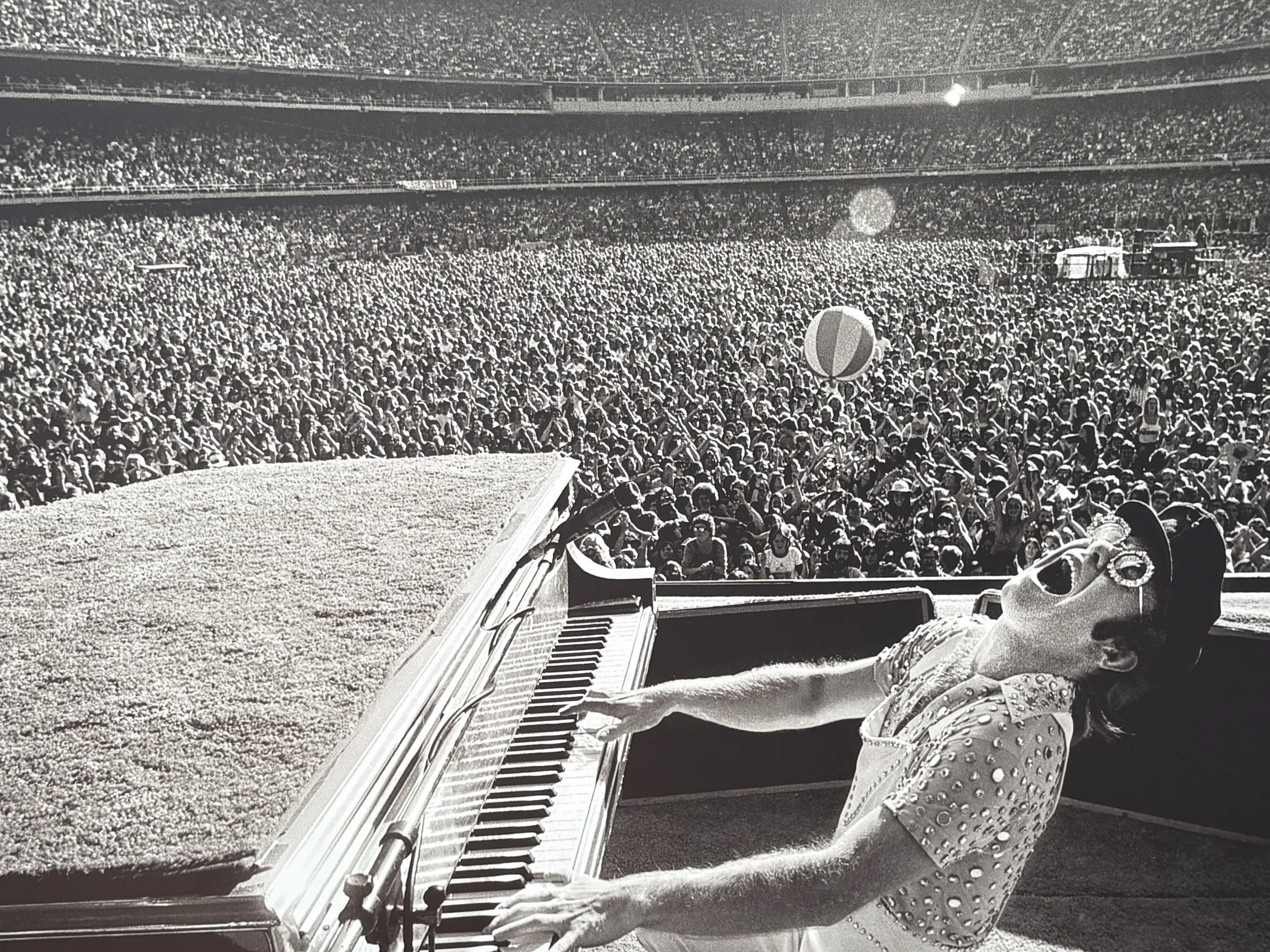
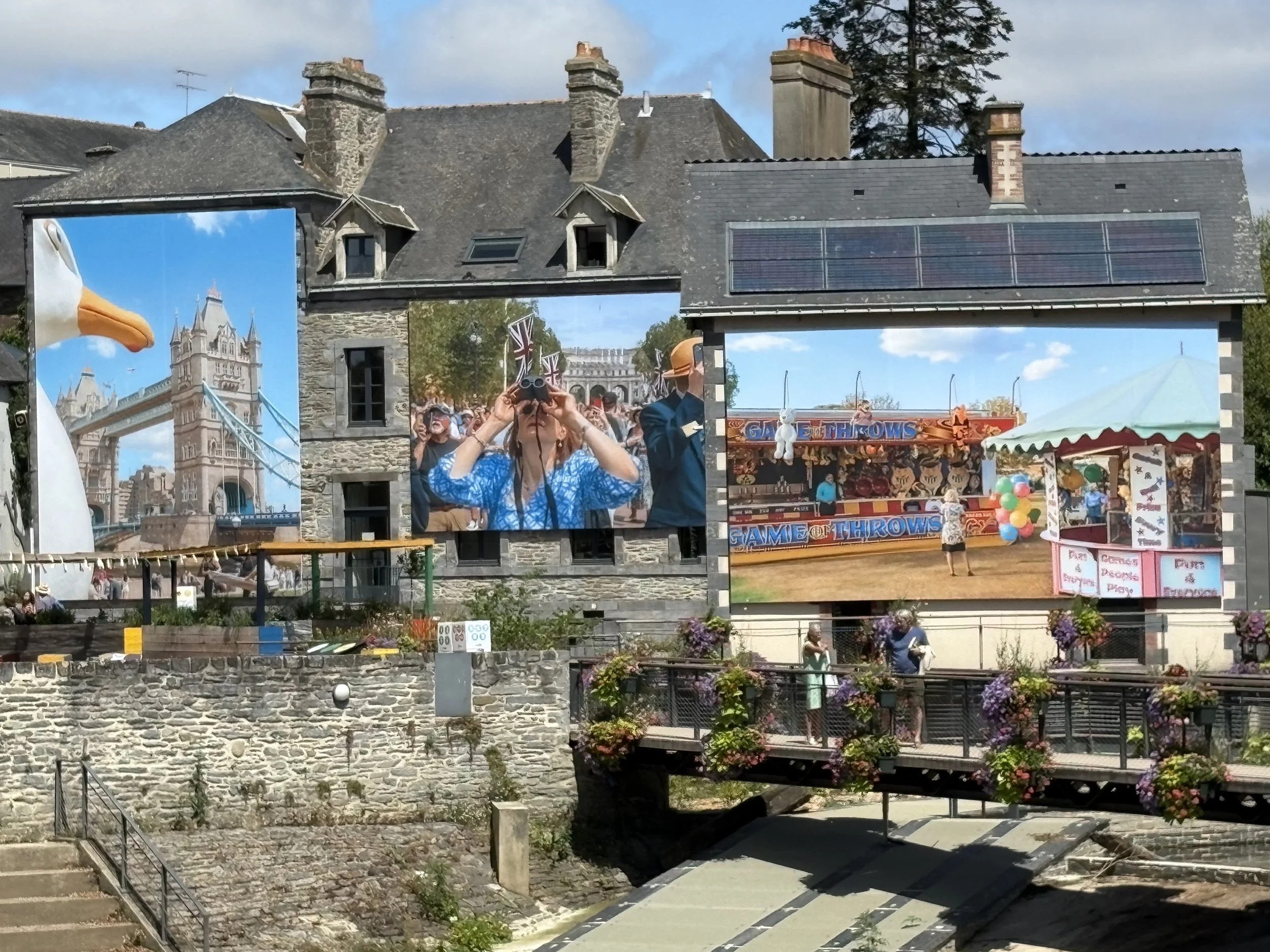
Photographers created the artistic vision. Festival organisers curated the experience. Material manufacturers developed suitable media. Sustainable print ensured exceptional reproduction. Groupe MediaGraphic acted as technical adviser, coordinator and printer, connecting each specialist discipline into a coherent whole.
That role is increasingly valuable.
As print projects become more sophisticated, competitive advantage is shifting away from simply producing graphics towards orchestrating expertise. Technical knowledge, material selection, colour management and project coordination have become differentiators every bit as important as printing capability itself.
In many respects, this mirrors wider developments across manufacturing.
The most successful industrial businesses increasingly create value through integration rather than production alone. Whether in industrial inkjet, automation or packaging, companies capable of bringing together multiple technologies and stakeholders often become indispensable partners rather than commodity suppliers.
The La Gacilly project demonstrates this principle perfectly.
Equally significant is the changing relationship between print and experience.
Visitors do not simply view photographs at La Gacilly; they move through them. The images become woven into the architecture, gardens and landscape, creating an emotional journey that could never be replicated inside a conventional exhibition hall.
Print becomes almost invisible in the process.
Not because it lacks importance, but because it succeeds so completely that attention shifts entirely towards the stories being told through the composition and excellence of the photography.
Perhaps this is one of print's greatest strengths.
Unlike many digital online media, physical print occupies real space. It changes how people move, interact and feel within an environment. It creates moments of reflection that are difficult to reproduce on screens. In an increasingly digital society, this physical presence becomes more valuable rather than less.
The project also challenges another persistent assumption.
Historically, many customers feared that environmentally preferable materials would require accepting reduced performance. Outdoor applications in particular were viewed as an area where conventional PVC materials remained difficult to replace.
According to Stanislas, projects such as La Gacilly demonstrate that this trade-off is disappearing. Sustainability and premium visual quality are no longer competing objectives. They are becoming complementary expectations.
That subtle distinction matters.
Once sustainability becomes the default expectation rather than an optional premium feature, competitive dynamics inevitably change. Environmental responsibility shifts from marketing advantage to baseline requirement.
The companies that prosper will be those capable of delivering both exceptional performance and credible sustainability without asking customers to compromise either.
This evolution is already visible across many sectors of industrial printing.
Packaging increasingly demands circularity alongside shelf impact.
Textiles pursue lower environmental footprints without sacrificing colour vibrancy.
Industrial decoration seeks water-based solutions capable of surviving demanding manufacturing environments.
Wide-format graphics are following exactly the same trajectory.
The implication is clear: innovation is becoming less about choosing between sustainability and performance, and more about eliminating the need to choose at all.
Looking ahead, projects like La Gacilly may offer an important glimpse into the future of visual communications.
Brands increasingly seek immersive experiences rather than static displays. Public spaces are becoming canvases for storytelling. Event organisers are expected to minimise environmental impact while simultaneously creating memorable visitor experiences.
Meeting those expectations requires more than excellent printing. It requires collaboration, technical expertise, material science and creative ambition working together from the outset.
Perhaps that is the real lesson behind Groupe MediaGraphic's latest award.
The future of print will not be defined solely by faster presses. It will be defined by the industry's ability to bring together people, technology and creativity to create experiences that leave lasting impressions. Both emotionally and environmentally.
To see the festival brought to life, check out the film below!