
After a memorable visit to Gallus in St Gallen in May, I was pleased to be heading back to Switzerland. This time, my destination was Polytype in Fribourg: a flight to Geneva followed by a spectacular train journey along Lake Geneva. I had intended to work during the journey, which took around an hour and 40 minutes. The scenery soon put paid to that idea. Sometimes, the laptop can wait.
At Polytype, my host was the energetic and very capable Matteo Conte. I arrived with a good understanding of the business, its position in the market and what makes it distinctive. Even so, the visit quickly reminded me how much you miss through a screen. Zoom and Teams are useful, but calls tend to be transactional. Spending time with people, experiencing a company’s culture and seeing its technology in action creates space for conversations and ideas that rarely emerge in a scheduled online meeting.
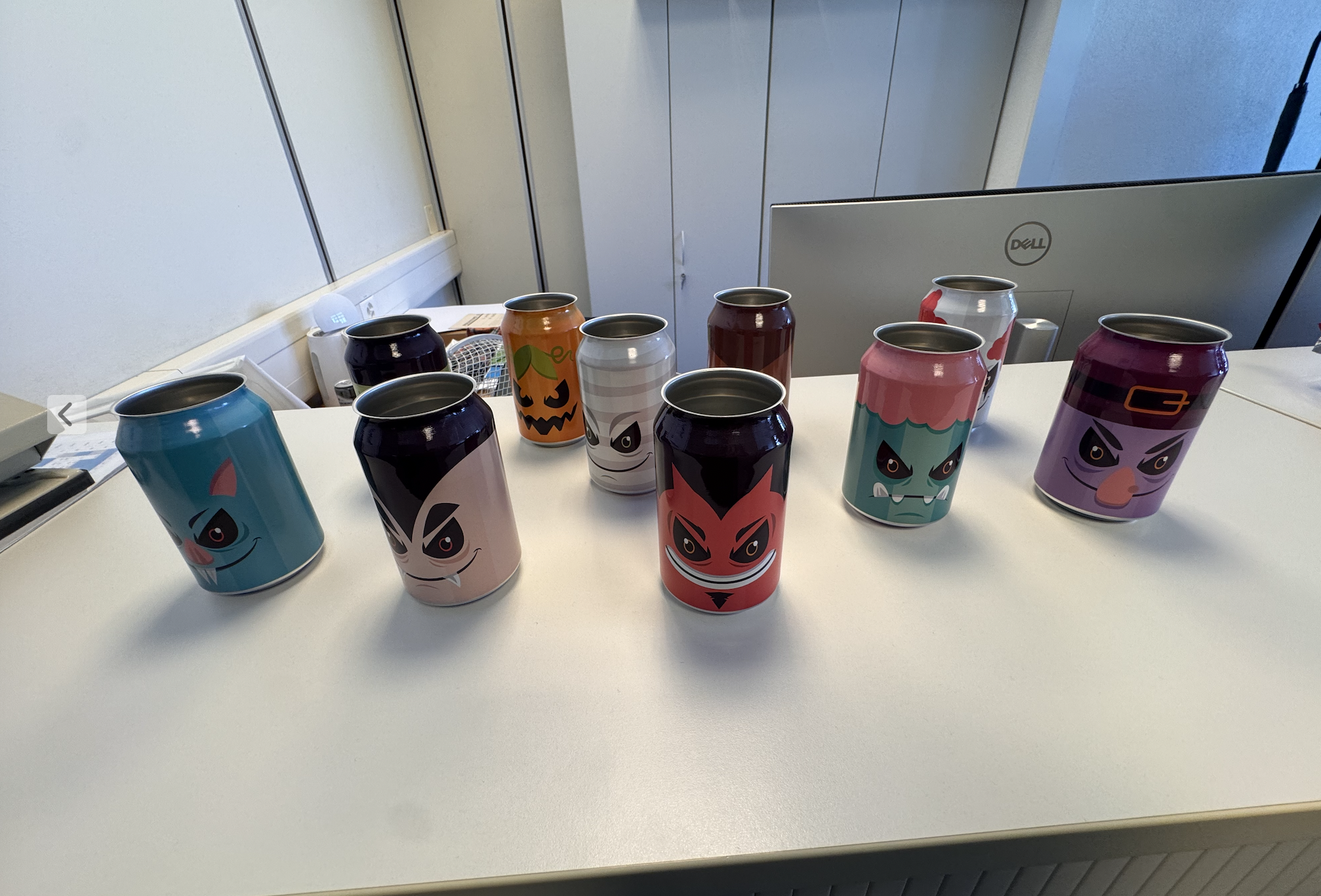
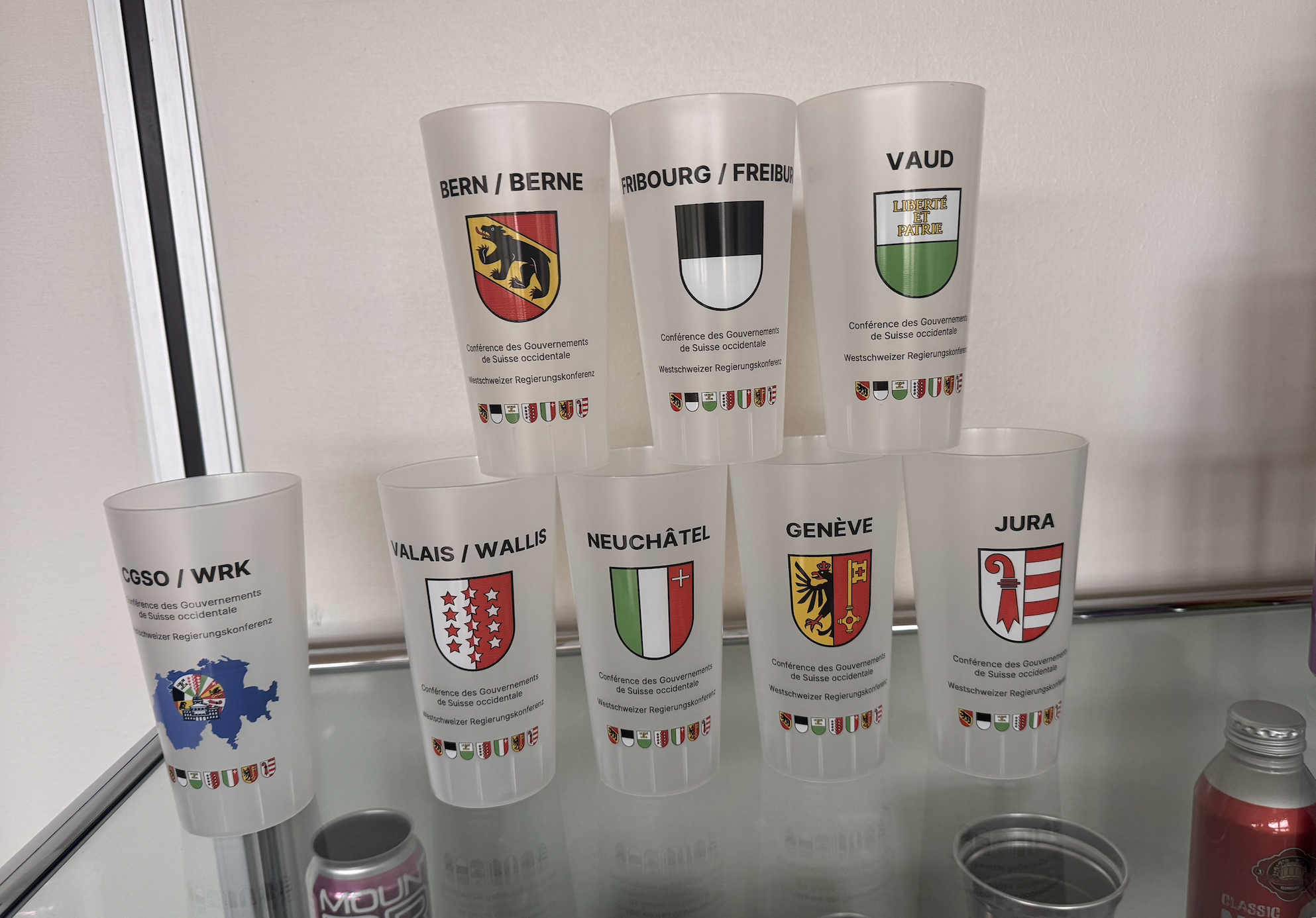
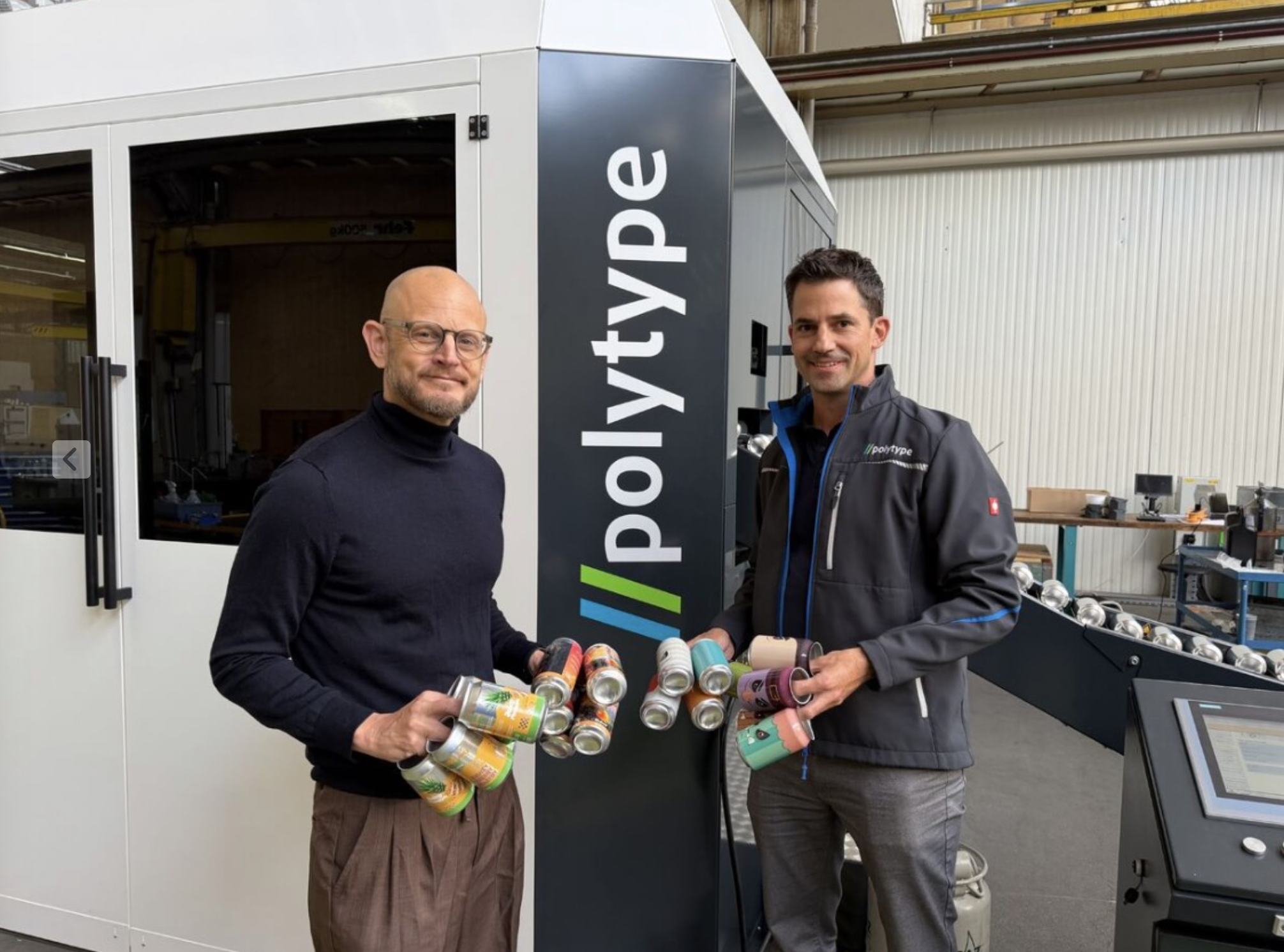
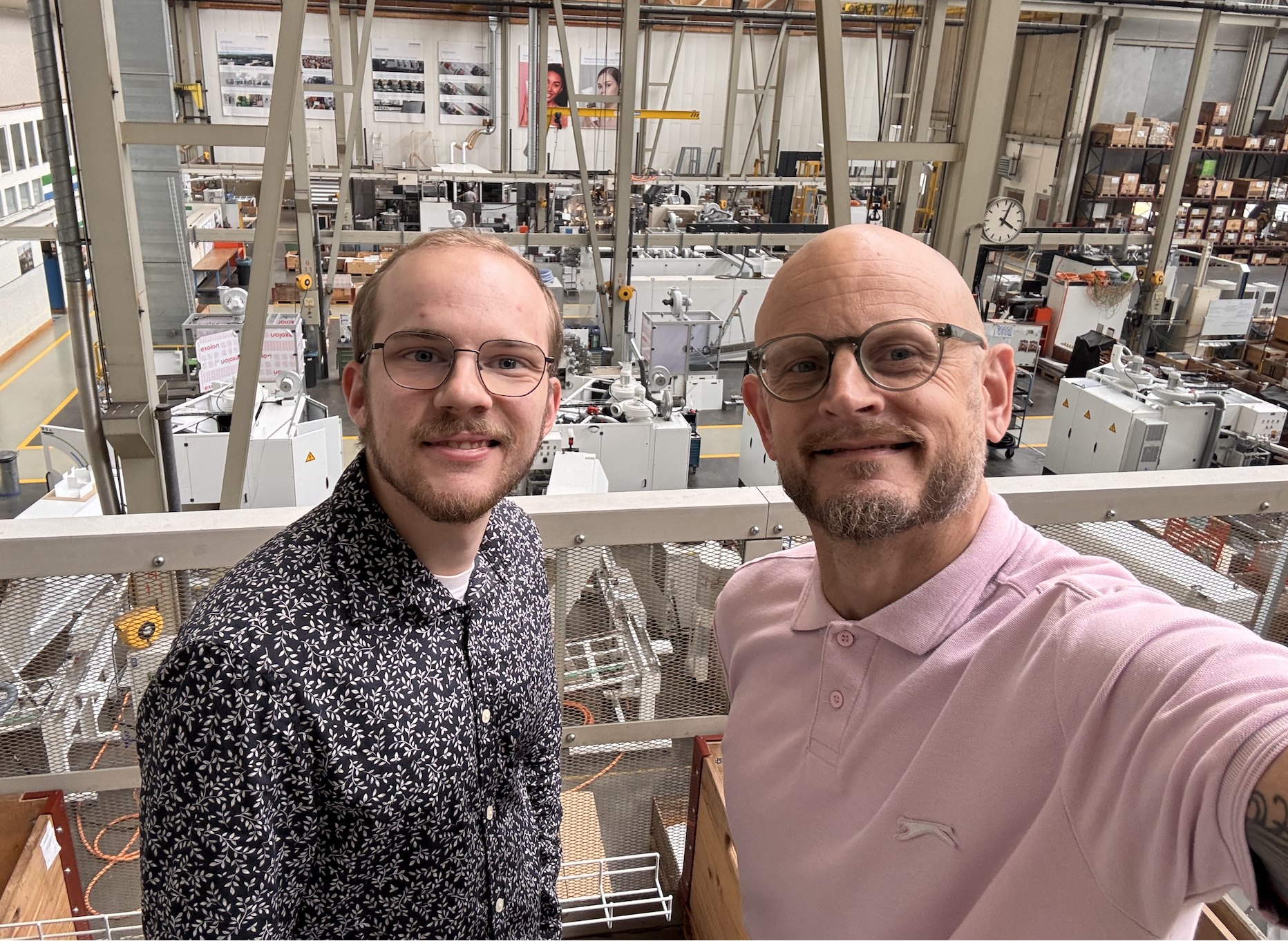
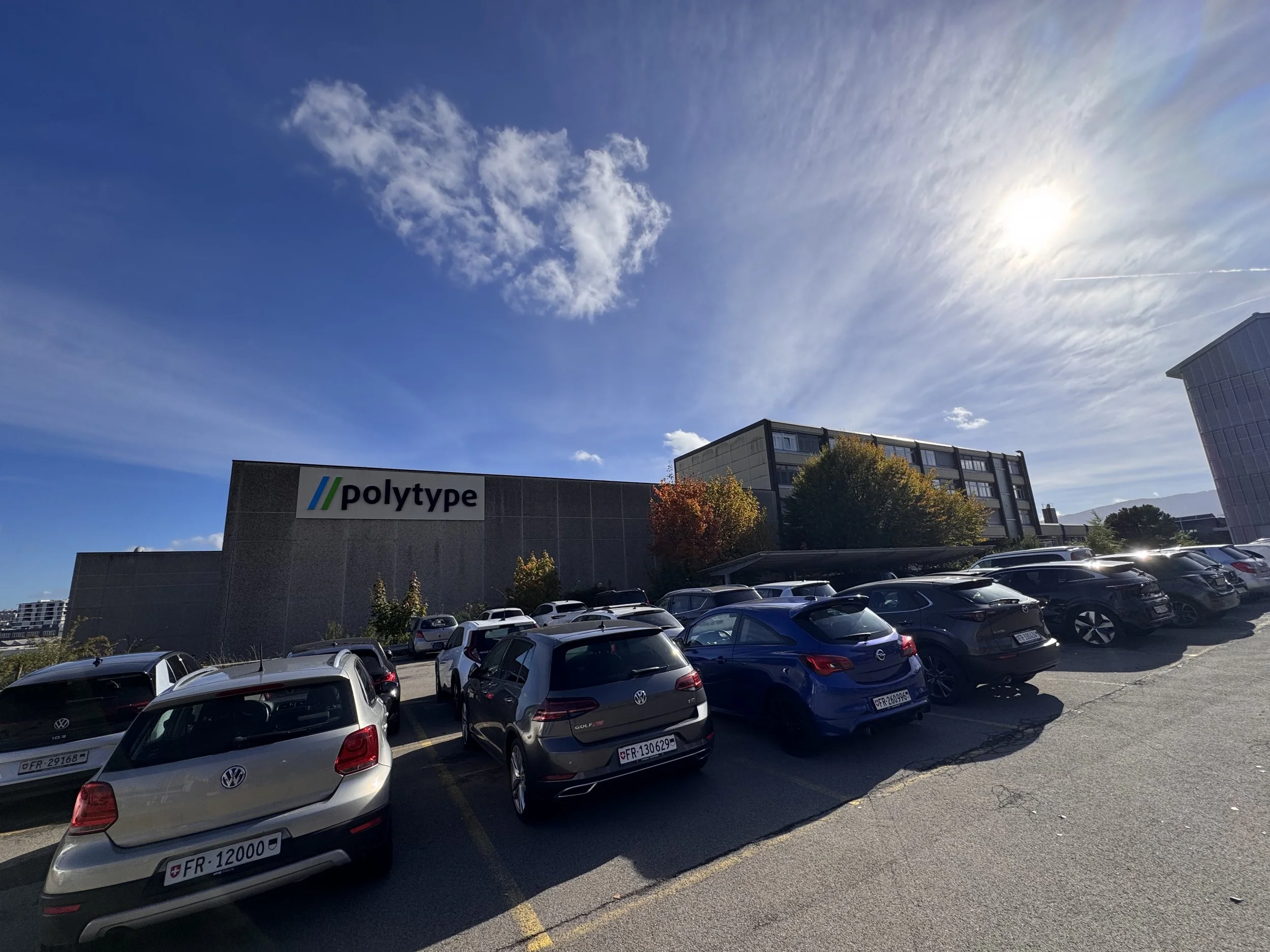

Polytype’s history offers an interesting perspective on the business today. With roots in newspaper printing machinery, the company was founded in 1962 and developed dry offset technology for printing directly onto packaging. Matteo showed me a Fribourg newspaper from that period, full of excitement about the possibilities of a promising material called plastic.
It was a revealing glimpse of a different era. The move into packaging opened a new direction for the business, long before the decline of printed newspapers made diversification seem an obvious choice. Looking back, it was a bold and remarkably far-sighted decision.
That willingness to look ahead remains apparent. Polytype is a warm and welcoming business, distinctly Swiss but international in outlook. There is clear leadership, yet the atmosphere is collegial rather than formal or hierarchical. People are approachable, discussions are open, and there is an evident pride in the work.
Switzerland is, of course, an expensive place to live and manufacture. With global competition intensifying, that creates a clear imperative to keep improving. For Polytype, the response is to develop technology whose performance, quality and support justify the investment. The pressure to remain competitive gives innovation a very practical purpose.
We created plenty of content during the visit, which we will share in due course. It was productive and fun, and reinforced a theme that kept returning throughout the week: for all our enthusiasm about print technology, the people behind it matter enormously.
Polytype’s investment in branding, marketing and storytelling reflects that understanding. The business has considerable engineering expertise, an established customer base and a strong track record. Sharing that knowledge more openly helps prospective customers understand both the technology and the thinking behind it. In a volatile market, where investment decisions can be difficult, that understanding matters.
The old adage still holds: people buy from people. Sharing expertise through communities such as FuturePrint helps customers get to know the individuals they may eventually work with. It creates opportunities to ask questions, understand the choices available and assess the support that will accompany an investment. A lower purchase price may be attractive, but reliability and confidence in a supplier also have real value.
There is a considerable amount of science and engineering behind Polytype’s machines. Customers, however, need to see what that expertise will deliver for their businesses. Increasingly, that includes the ability to respond quickly to changing requirements and produce different designs with minimal disruption.
DigiCan provided a memorable demonstration. Matteo and Florian Fässler arranged a showcase, and we filmed it in one take. Starting with a straightforward 2D PDF, three taps brought the machine to life. And it is quite a beast of a machine.
Cans marched neatly into one end and emerged at the other carrying different images. Each had its own identity, united by the same shape. Watching that sequence made the practical value of variable printing immediately clear. The process looked so straightforward that I began to wonder whether even I could operate it.
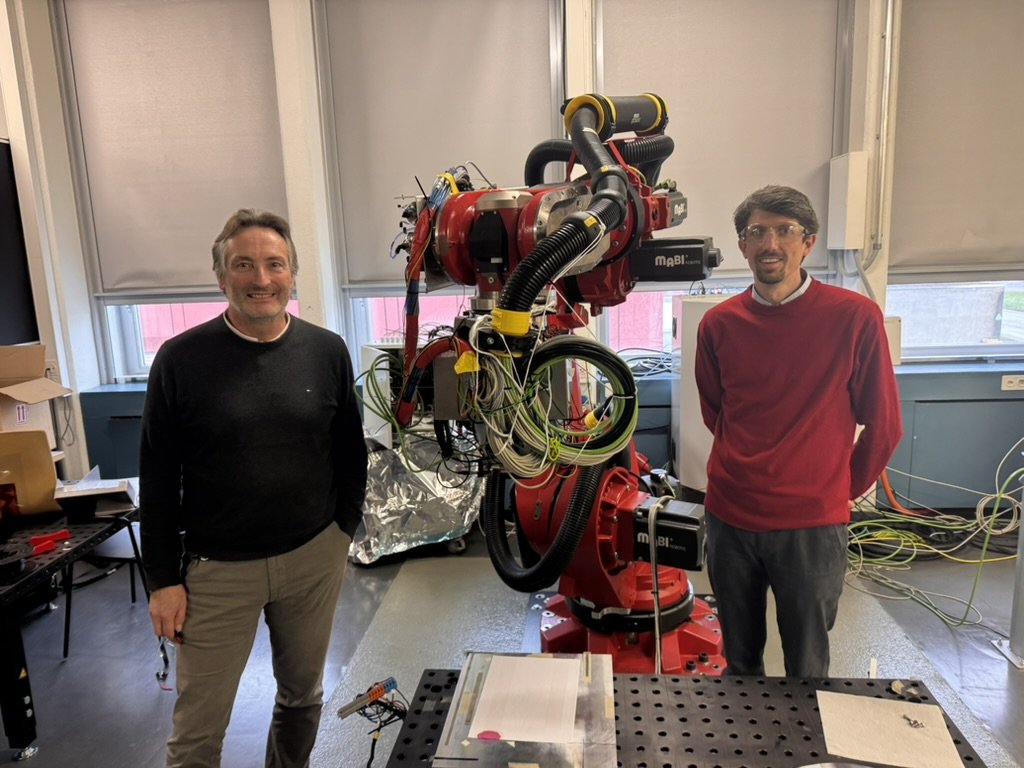
To round off the week, we visited iPrint at the Marly Innovation Center near Fribourg. I knew of its work, but seeing the facilities and meeting the people gave me a much fuller appreciation of what it does.
Founded in 2013, iPrint is part of the School of Engineering and Architecture of Fribourg, within the University of Applied Sciences and Arts Western Switzerland. Its work combines research, industrial collaboration and education to develop inkjet technology and extend its use across different sectors.
Professors Gioele Balestra and Gilbert Gugler are among those leading this work. The facilities are impressive, but what stayed with me was the openness of the approach. The research, training and events all contribute to a place where people can explore ideas, share knowledge and develop practical applications. We hope to build a relationship between iPrint and FuturePrint.
The visit brought the week’s central theme into focus. Progress depends on people being willing to share what they know and work together. I saw plenty of that at both Polytype and iPrint.
A cancelled flight home was the only frustration, and even that did little to diminish the pleasure of the week.
My thanks to Matteo Conte, Julien Bianchi, Daniel Kohlenbrenner, Florian Fässler and Gérald Kolly for their time, generosity and excellent company.