
The packaging industry is undergoing significant transformation. Brand owners are facing a scenario where average print run lengths are decreasing while the amount of printed material is increasing, driven by pressure to deliver personalisation, sustainability, regulatory compliance, faster product launches and enhanced consumer engagement. This all must be achieved while maintaining operational efficiency. As a result, the question is no longer whether digital printing has a role in packaging, but how to integrate it most effectively within existing production environments.
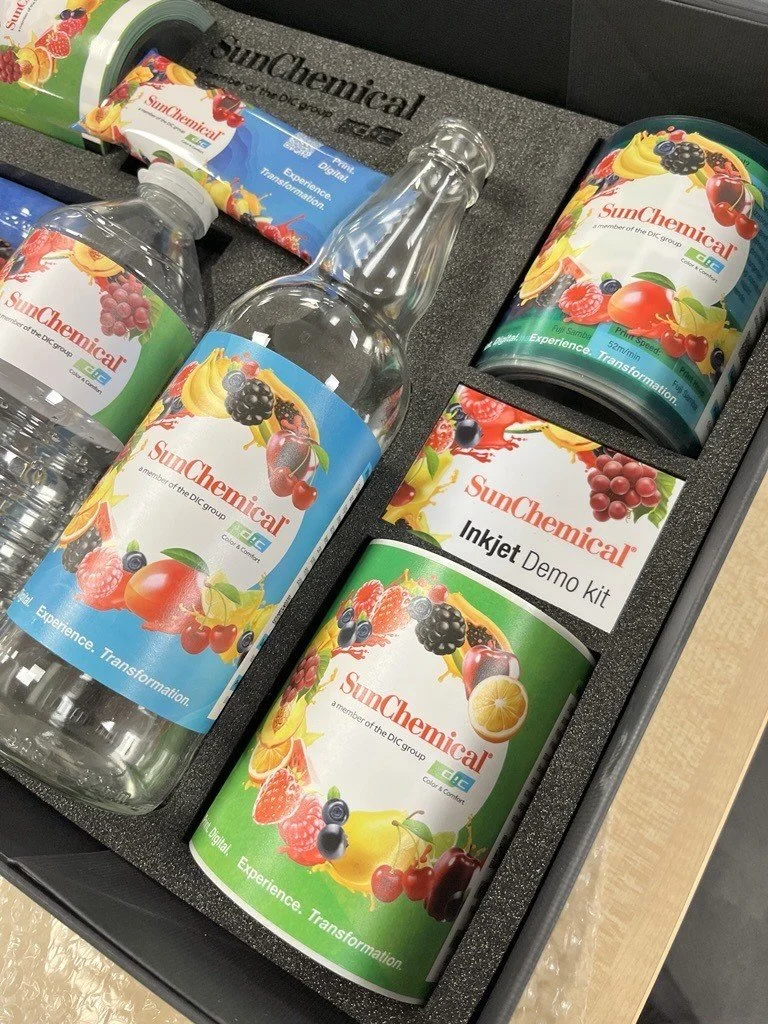
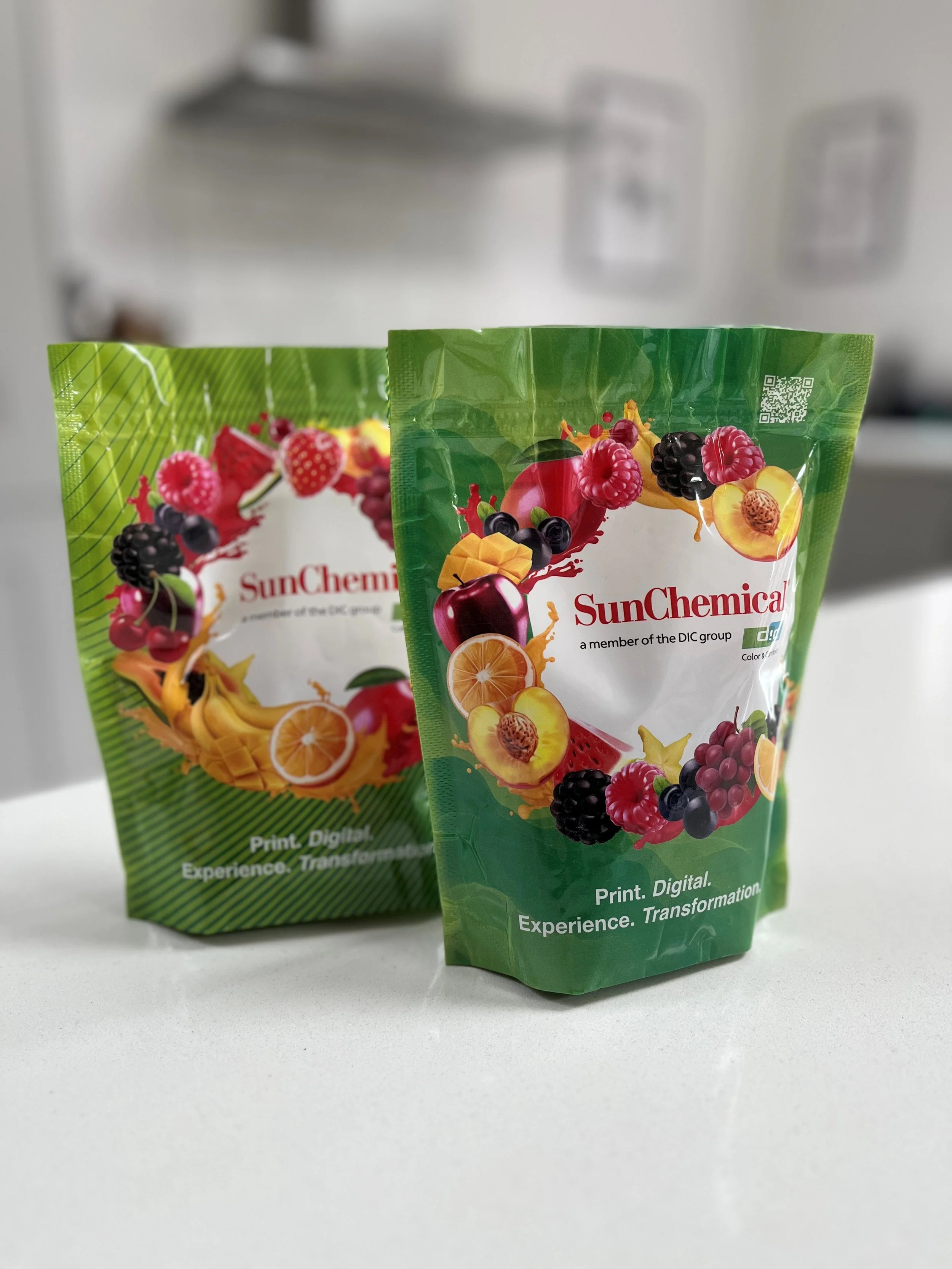
For many packaging applications, one potential solution lies in a hybrid production model that combines the strengths of both conventional and digital technologies. Rather than viewing digital or inkjet print as a replacement for flexographic or gravure printing, leading packaging manufacturers can leverage each technology where it creates the greatest value. In this hybrid stack concept, digital printing delivers more complex imagery, variable content and production flexibility, while conventional technologies provide the background colour and functional layers that packaging requires, including primers, opaque whites, protective coatings, laminating adhesives and barrier layers.
A successful hybrid workflow, however, begins long before ink reaches the substrate. Pre-press is becoming increasingly critical as packaging moves from traditional SKU-based production to more dynamic, digitally enabled models. Brand artwork is now often developed with multiple variants, regional customisation, version control, variable content and connected packaging requirements in mind. What was once a single SKU can evolve into dozens or even hundreds of artwork variations targeting different markets, regulatory requirements or consumer segments.
This means there is an increased need to have effective artwork management systems, automated workflows and data-driven design processes. The same applies to connected packaging applications such as unique QR codes, serialisation, track-and-trace functionality and consumer engagement campaigns. These opportunities can only be fully realised when digital content creation is considered at the design stage rather than added as a production afterthought. Digital printing enables unique identifiers on every pack rather than every SKU, opening new possibilities for brand protection, consumer interaction and supply chain transparency.
Colour management is another fundamental requirement for hybrid production success. Brand owners expect colour consistency regardless of whether the pack is printed conventionally, digitally, or through a combination of both processes. Achieving this requires a robust colour management strategy incorporating artwork creation, colour standards, substrate characterisation, profiling and process control across all print platforms.
Packaging manufacturers must build workflows capable of reproducing brand colours consistently across different ink sets, substrates and print technologies. Extended gamut approaches, standardised colour libraries and closed-loop colour control are becoming increasingly important as digital and analogue processes operate alongside one another. Without this foundation, the advantages of production flexibility may be offset by colour variability and increased approval cycles.
Ultimately, successful digital adoption requires more than the installation of a press. It demands an integrated ecosystem encompassing creative content development, press-ready artwork, colour management, substrate selection, primer technologies, ink systems and finishing solutions. Packaging producers that build these capabilities can move beyond simple print production and deliver complete packaging solutions that address both brand and consumer requirements.
The future of packaging is unlikely to be defined by a choice between analogue and digital technologies. Instead, it will more likely be shaped by intelligent hybrid workflows that combine the strengths of both. When supported by robust pre-press processes and colour management disciplines, with the right chemistry and post processing these digitally enabled packaging solutions create opportunities for greater flexibility, faster time to market, reduced waste, improved consumer engagement and new sources of value throughout the packaging supply chain.