
Let me tell you about Barcelona - Automation, sustainability and the next scene for print
So, let’s talk Barcelona. Not the beaches, not the architecture, and not quite the ‘Vicky Cristina’ version of the city, tempting though that was. My middle name is Cristina, so I did consider making more of it…

And yes, there was a Barcelona outside FESPA: late dinners, sore feet, interesting conversations, that weird trade-show mix of exhaustion and energy. But that is a story for another time…
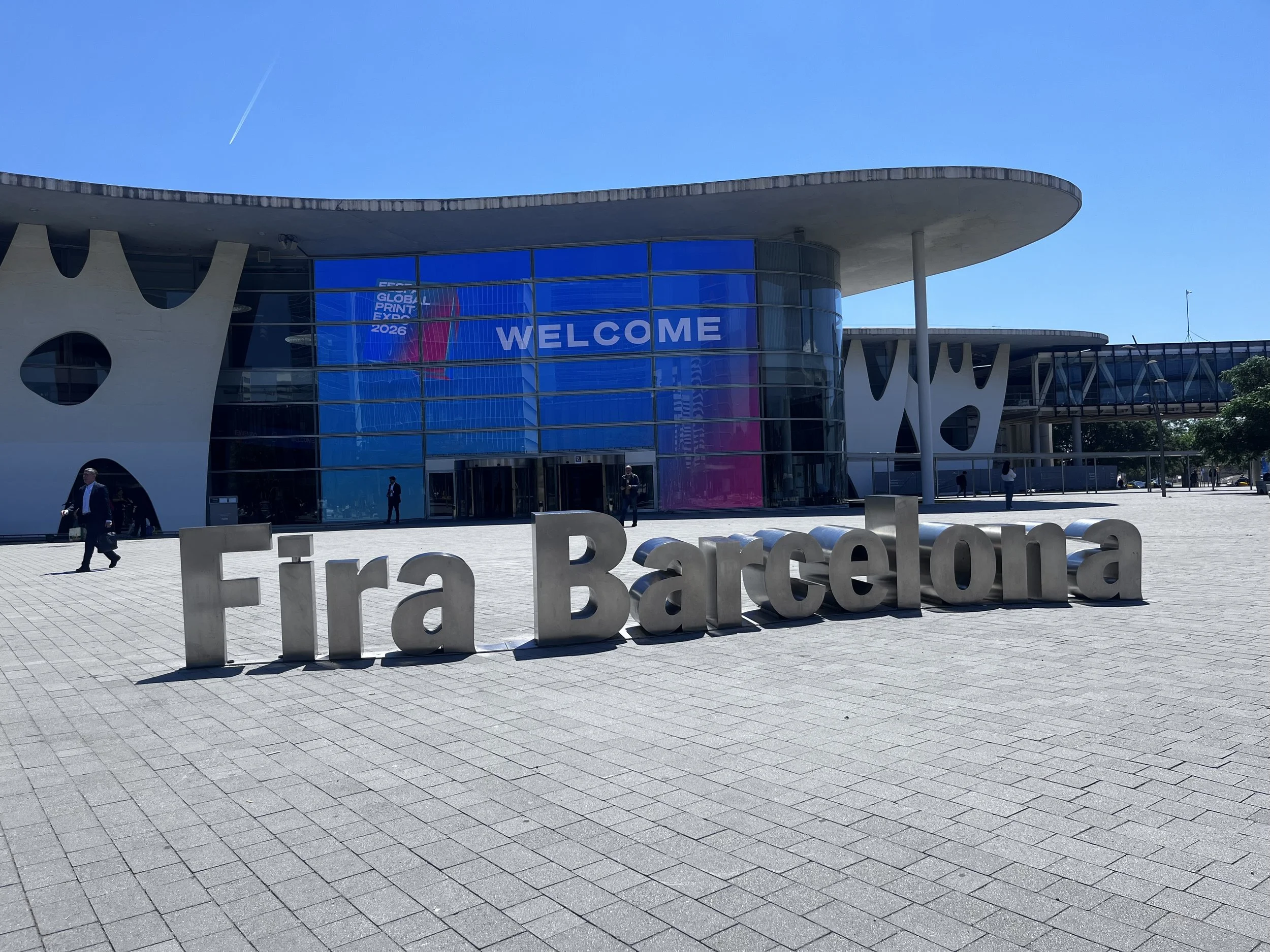
The Barcelona I mean was FESPA 2026: four days of print, production, samples, software, substrates, ink, finishing, robotics and enough walking to make comfortable shoes feel like a strategic decision. I arrived expecting the familiar flow of FESPA: machines running, stacked samples, stands built to pull you in, and application walls doing what application walls do, turning technology into something you can point at. All of that was there.
But as the week went on, the show started to feel like a different kind of story. Automation was definitely the loudest theme. It had the software demos, the robotics conversations, the workflow language and the promise of fewer bottlenecks. Sustainability felt like another theme, to be fair it was a lot quieter, but, nonetheless it was hard to miss once you started looking for it: in substrates, inks, drying, recycling, compliance, energy use and the question of what happens to print after it has done its job.
By the end, I was less sure that they were actually separate stories at all. They kept coming back to the same place: waste. Automation is about reducing waste in the process: time lost, errors made, jobs re-keyed, approvals delayed, work handled twice. Sustainability is about reducing waste in the product: unsuitable materials, excess ink, inefficient drying, poor end-of-life choices and over-complicated specifications. What I felt was a move in emphasis. It is not enough to show that a printer can print well, or that a material carries a better sustainability story, or that software can automate one part of the job. The interesting part was what happens when all of this comes together: print, material, workflow, finishing, delivery and end of life.
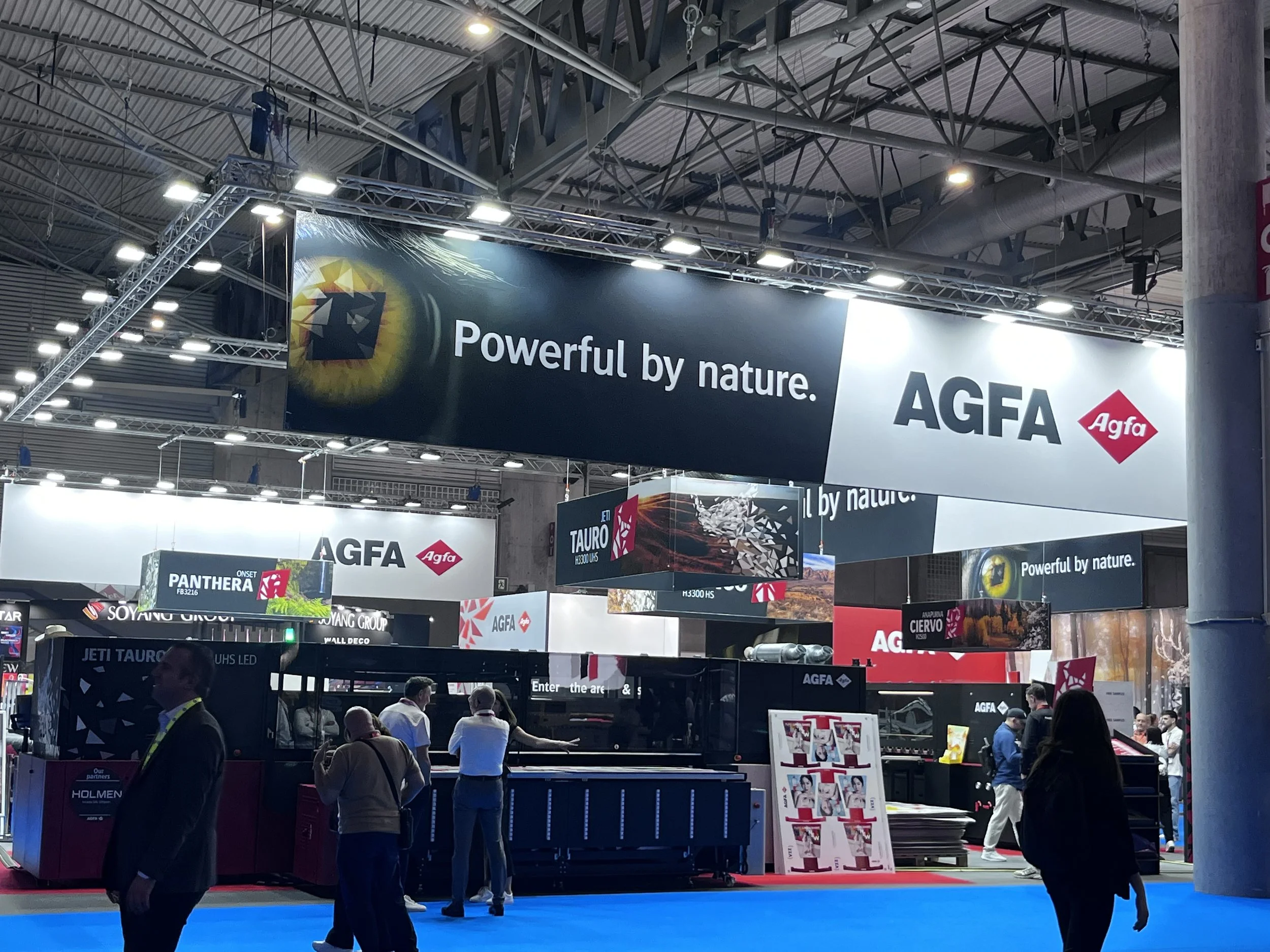
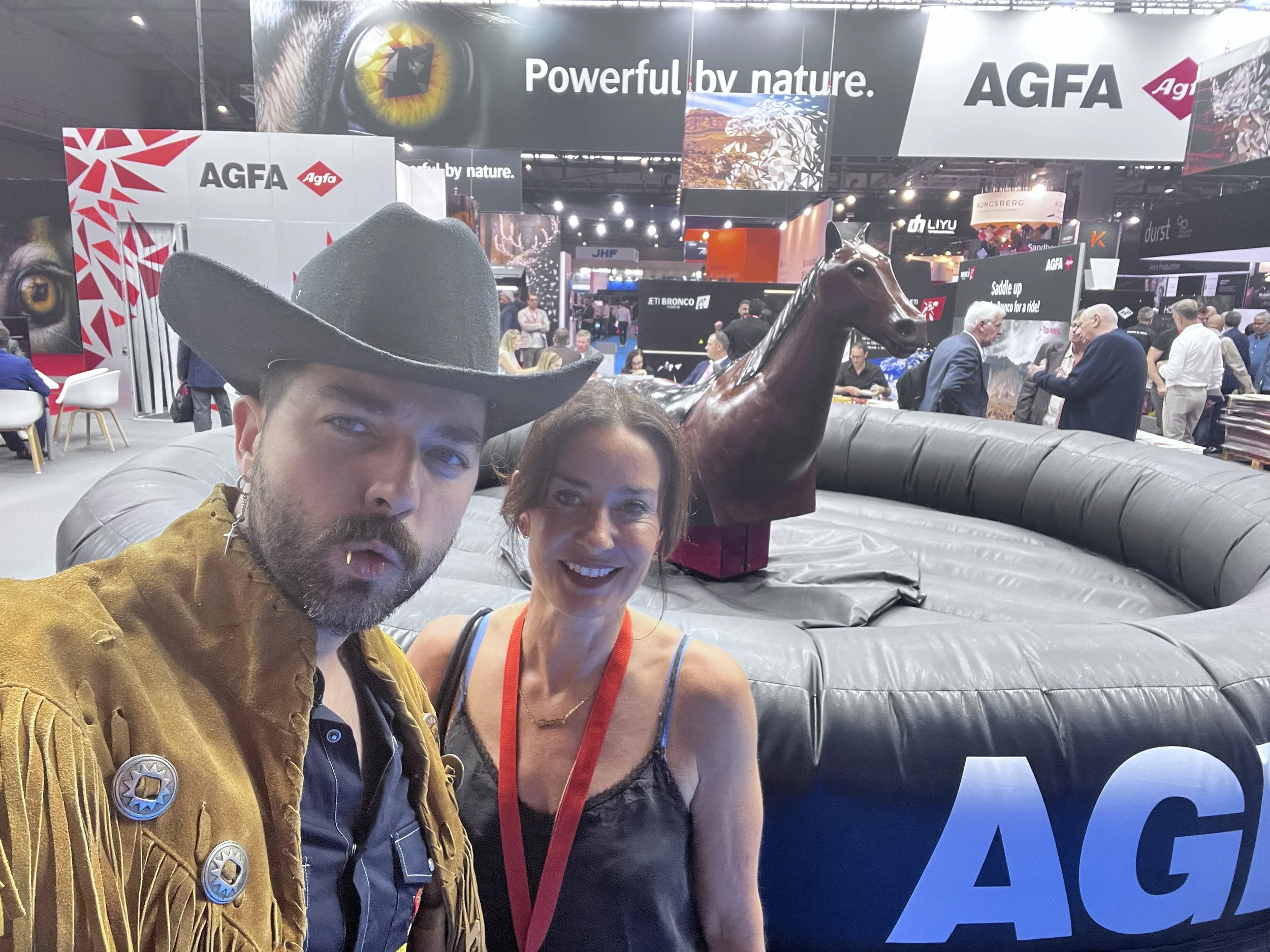
And then there were the booths. Agfa is a good place to start: the western styling around the European debut of the Jeti Bronco H3300 HS gave the stand energy, a cowboy and a bucking bronco no less! But fun aside, Agfa’s FESPA line-up brought together the Jeti Bronco H3300 HS, Jeti Tauro H3300 UHS, Onset Panthera and Asanti workflow software. The message was not just about print power, it was about production control. Asanti 8’s StackFlow feature is a good example. It helps sort printed items by delivery location. On paper, that sounds quite simple. But when you think about a big campaign going to lots of different places, you can see why this might matter.

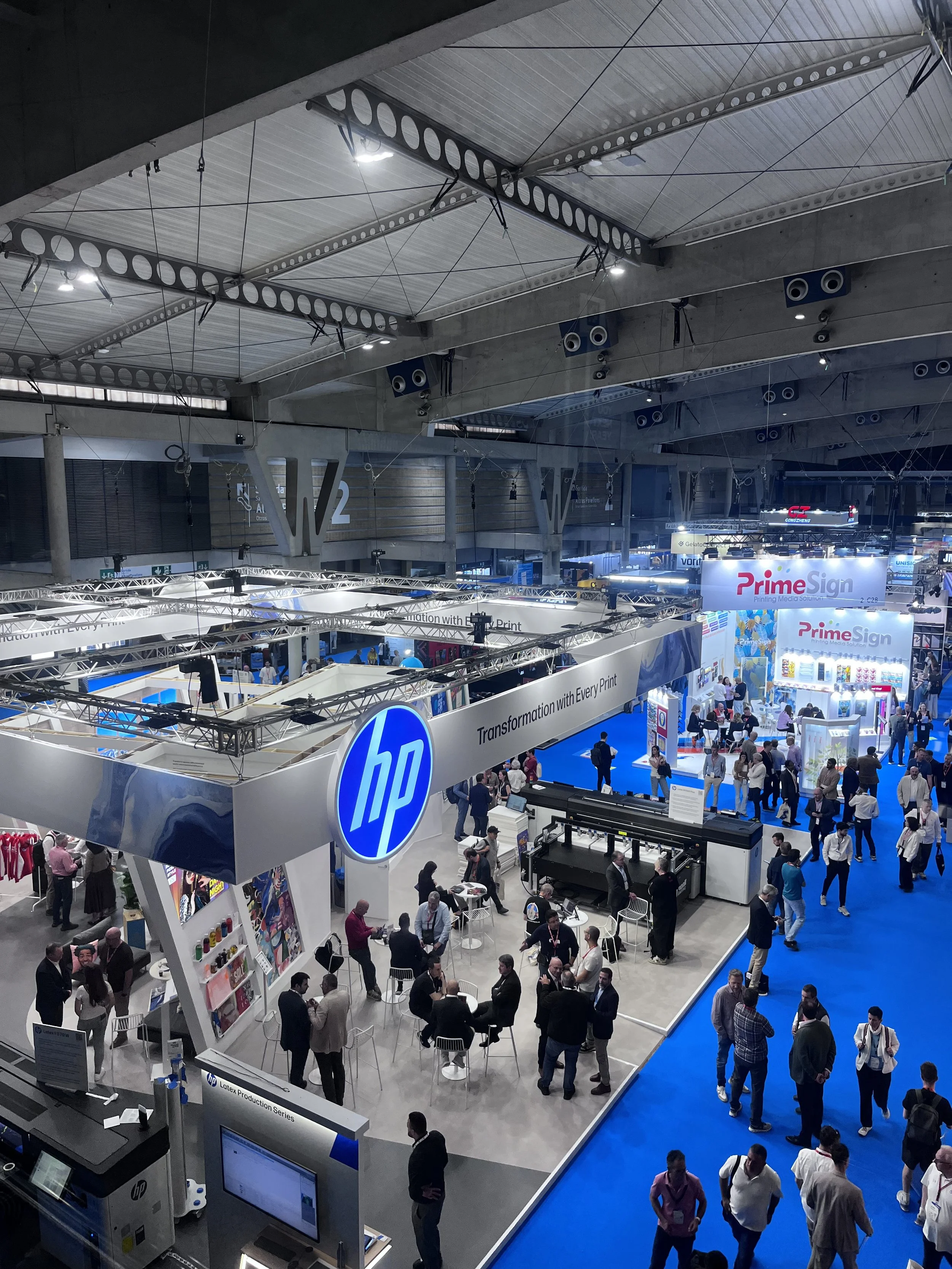
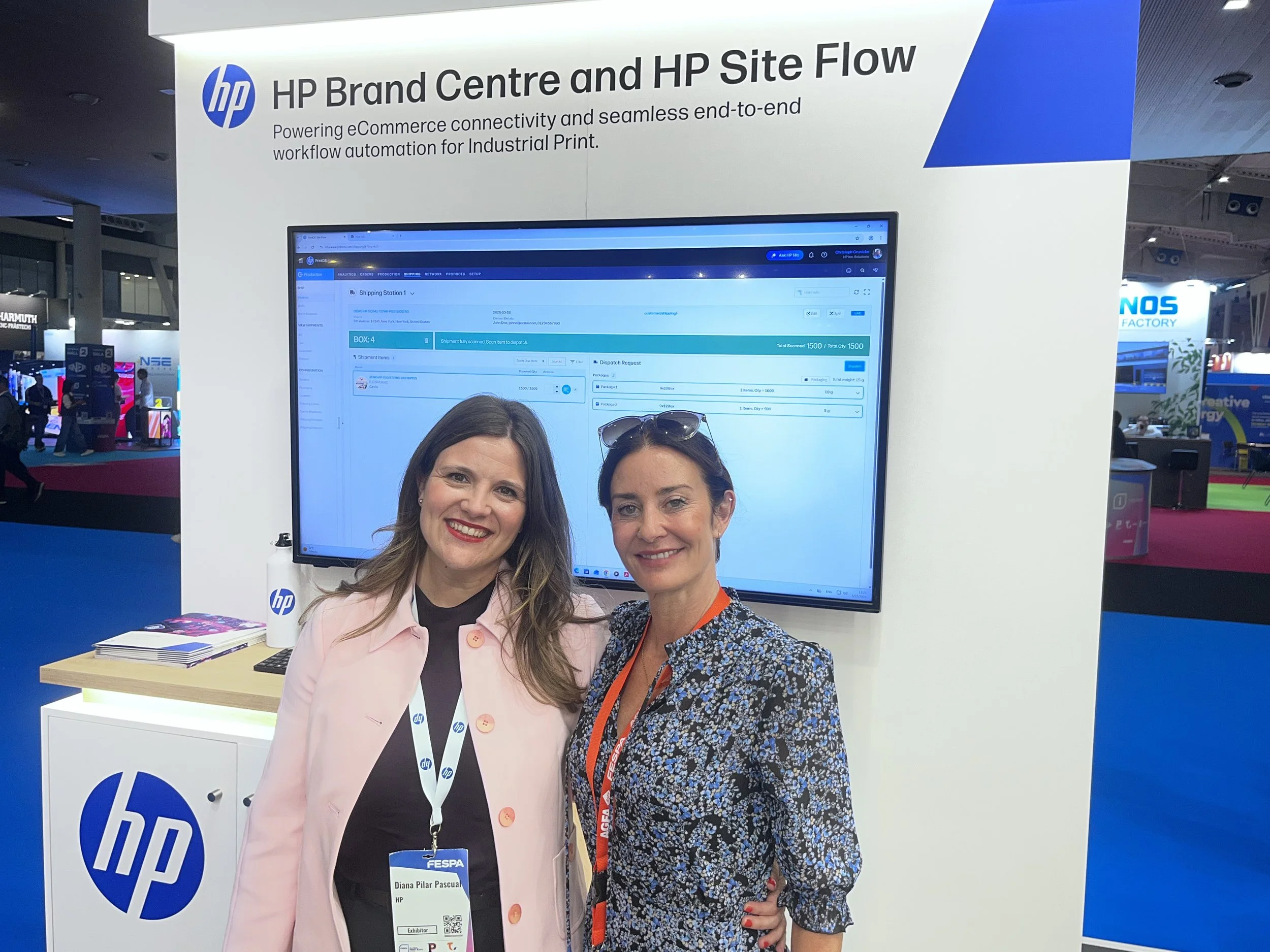
HP’s official FESPA announcement included the new HP DesignJet Z6 and Z9⁺ PostScript Printer Series Plus Edition, but I found myself more interested in the workflow side than I expected. I will admit, this is not the part of print I know best, but Diana Pascual Soldevilla made it make sense. HP PrintOS Production Hub includes features such as order approval, Orders API integration and AI Upscale Image, all dealing with the work that happens before a job reaches the press. I found Diana’s view on this really useful. As General Manager, HP Industrial Print Software and Solutions, she talked about non-stop digital print as something that starts long before the press is running: with the order, the design, the file, the approval and the information moving through the business. In truth, a press can be digital while the business around it remains manual.
Below: Diana Pascual, General Manager, HP Industrial Print Software and Solutions

The official Fespa speaker programme suggests I was not imagining the emphasis on automation. Mark Boyt of Keypoint Intelligence was listed in the programme for ‘AI in Print Production Software: Your Most Productive Employee’. He also facilitated ‘The Reality of Robotics in Print’, with speakers from Durst, Cyan-Tec, Robotfactory and Lunes Robotics. The session focused on robotics, real industry needs and the barriers that still stand in the way of wider adoption. I felt the real questions being asked were where automation gives a return now, where it removes friction, and where the technology still has to get better.
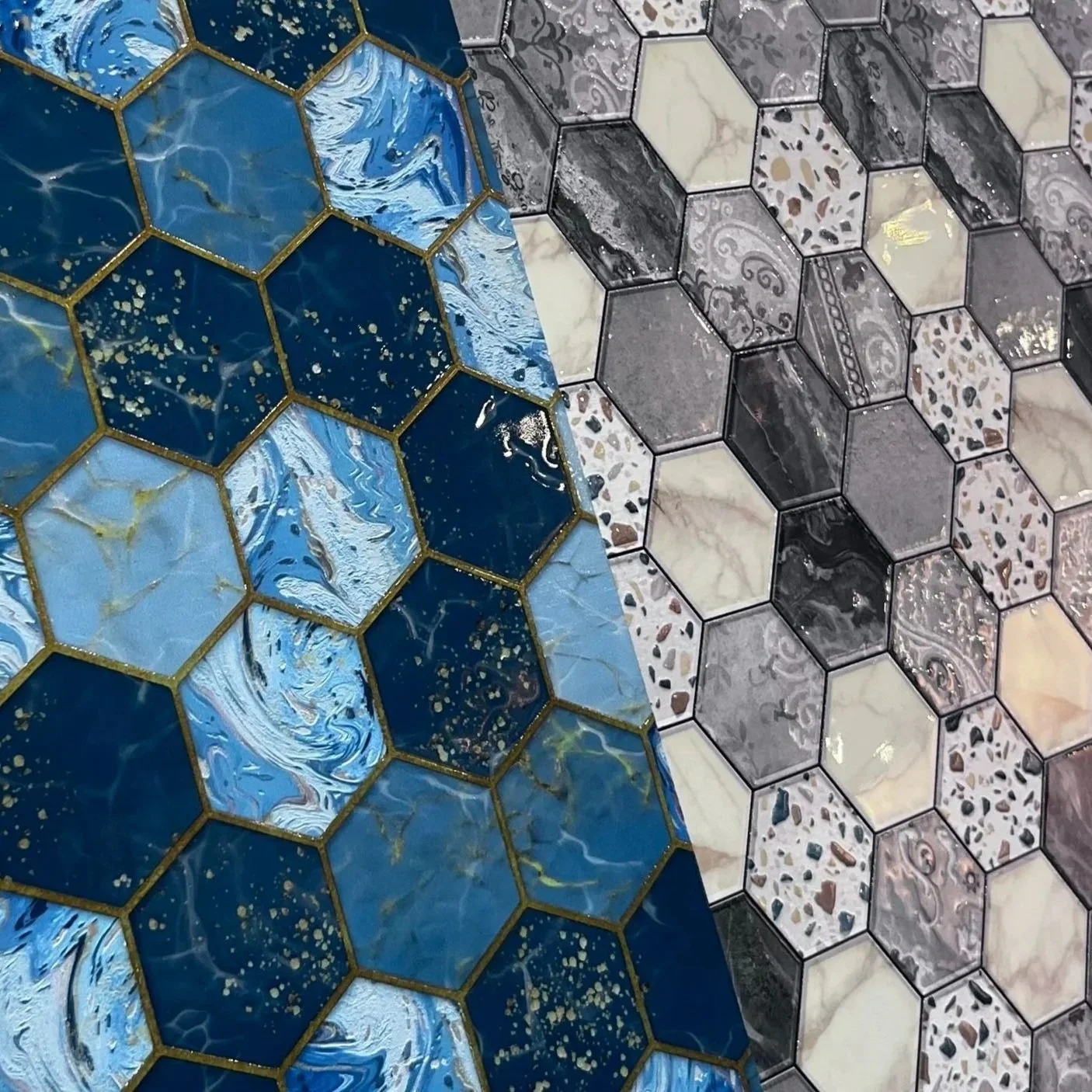
Another thing I noticed was the quality of the Chinese machinery on show. Several Chinese manufacturers presented their equipment with real confidence, but what impressed me most was how they showed the output. Their stands were tactile. Samples were placed where visitors could pick them up, feel the finish, compare textures and understand the application. FESPA has always been a visual event, but this year some of the strongest stands I felt were not only visual. They made you want to handle the print, look at the finish and imagine where it would actually be used. It was a reminder that, even in a show full of technology, the sample still does a lot of the talking.
Sustainability had its own version of that. It was less about green claims and more about whether better choices could stand up in production. A better material still has to print properly. It has to dry, perform, suit the application and avoid being cancelled out later by the wrong finish, the wrong design choice or a specification that makes end of life more difficult.
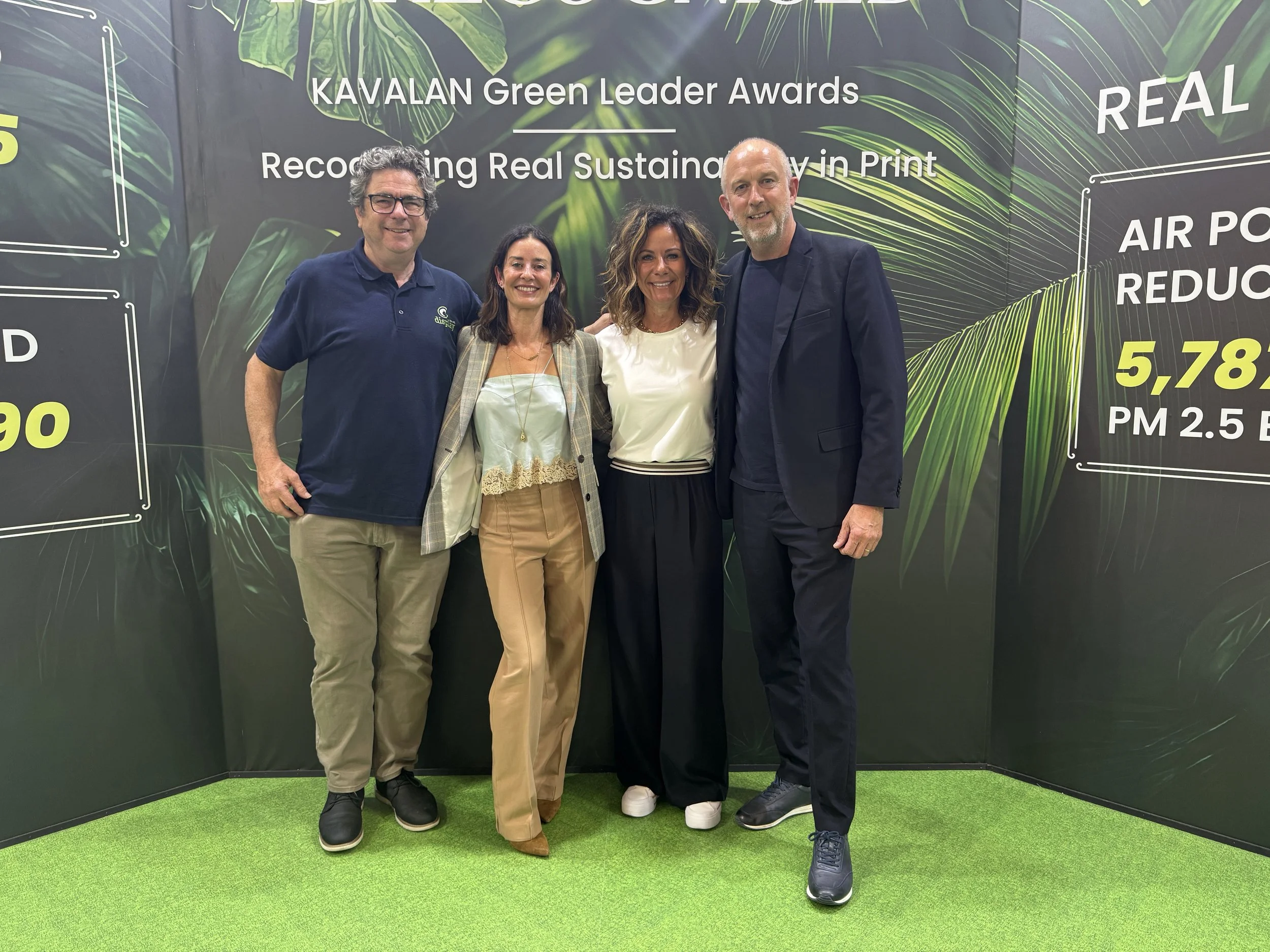
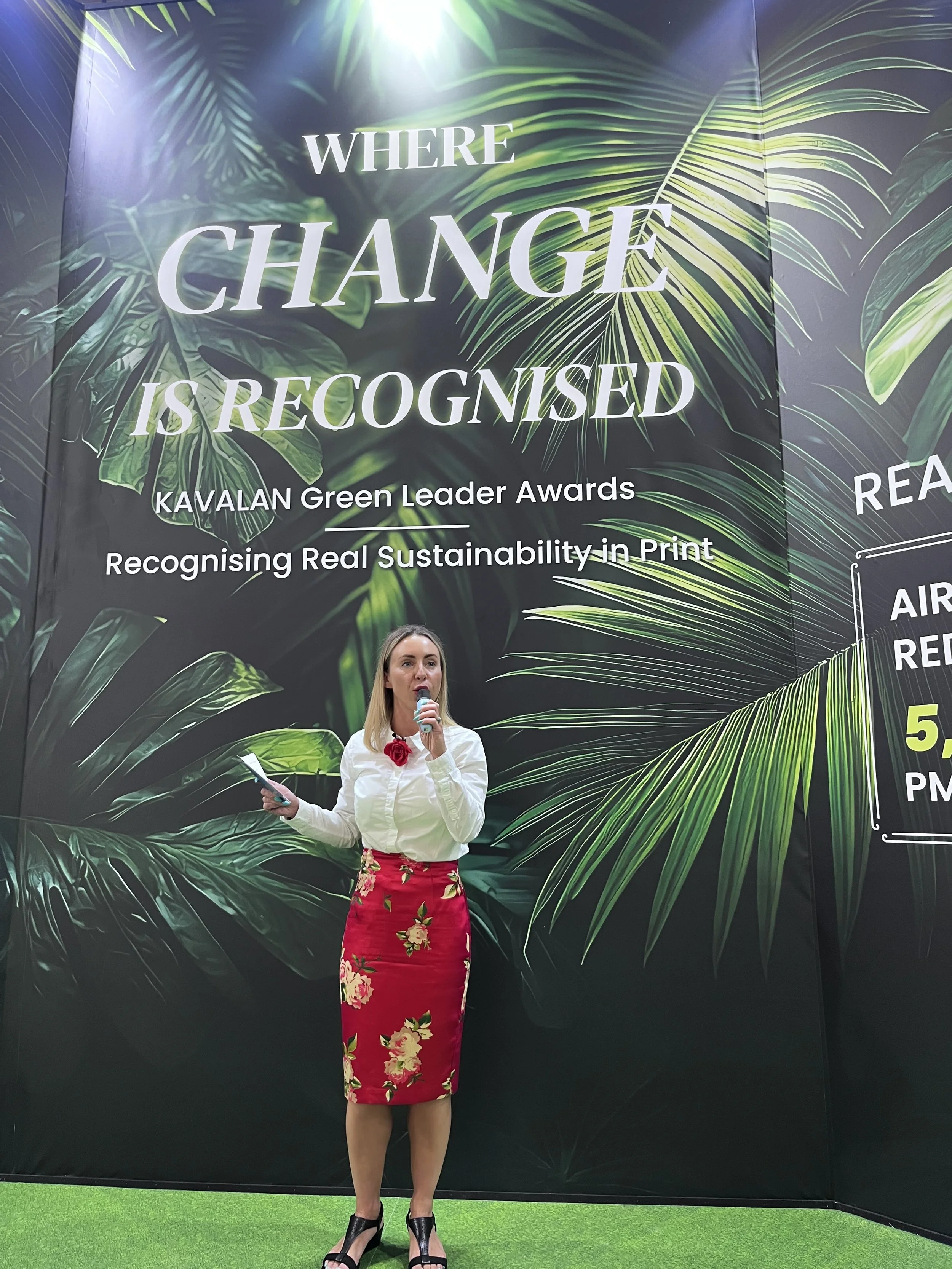
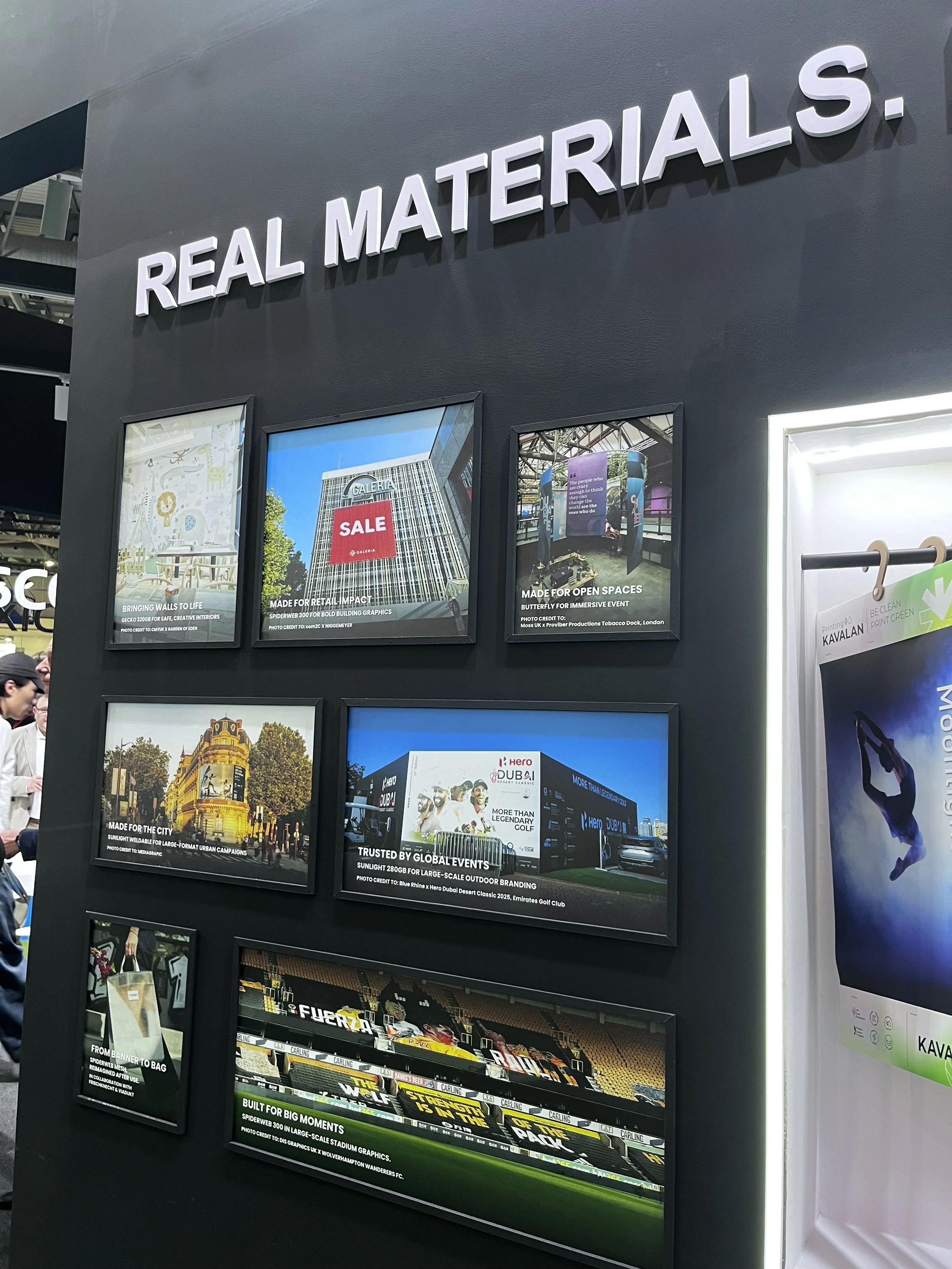
Kavalan’s Green Leader Awards felt very relevant to me. The awards recognise large-format projects produced using Kavalan’s PVC-free materials, with the 2026 edition returning to FESPA Barcelona and adding a Green Spark category for students and early-career creatives. The strength of the awards is that they are not just about ‘we support sustainability’, but: what was made, what material was used, what problem was solved, and how did the finished work actually hold up? They were finished projects, made with real materials, judged on whether they worked creatively and technically.
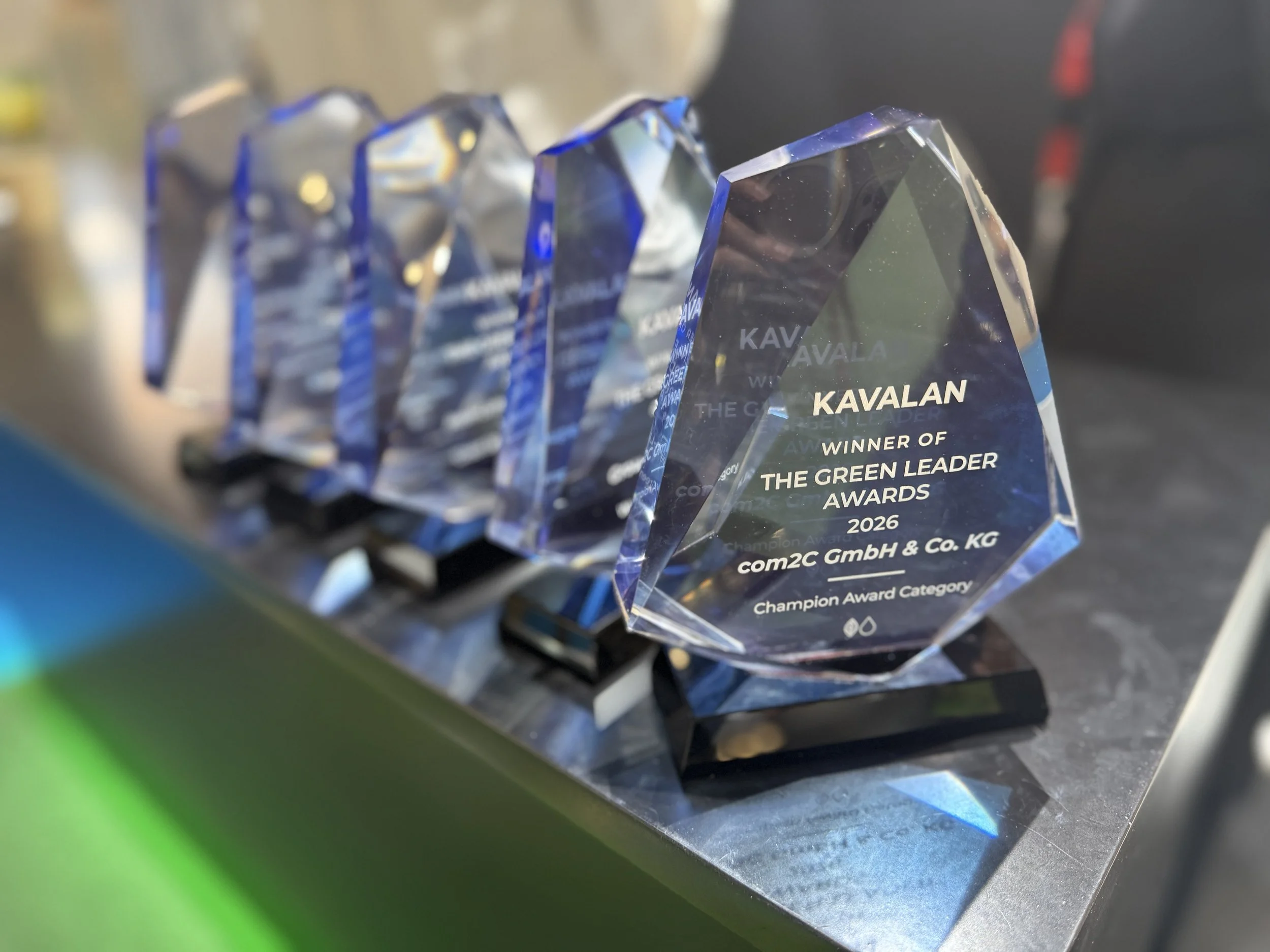
![Green Spirit Award - [LtoR] Roberto Carriero of Frischknecht on behalf of Neon-Lichtdesign Rigotti AG and Elena Knight, Future Print.JPG](https://images.squarespace-cdn.com/content/v1/61f3189f93ba763a3f796156/1779969433401-38C0ZNINITO7XUWXNMC1/Green+Spirit+Award+-+%5BLtoR%5D+Roberto+Carriero+of+Frischknecht+on+behalf+of+Neon-Lichtdesign+Rigotti+AG+and+Elena+Knight%2C+Future+Print.JPG)
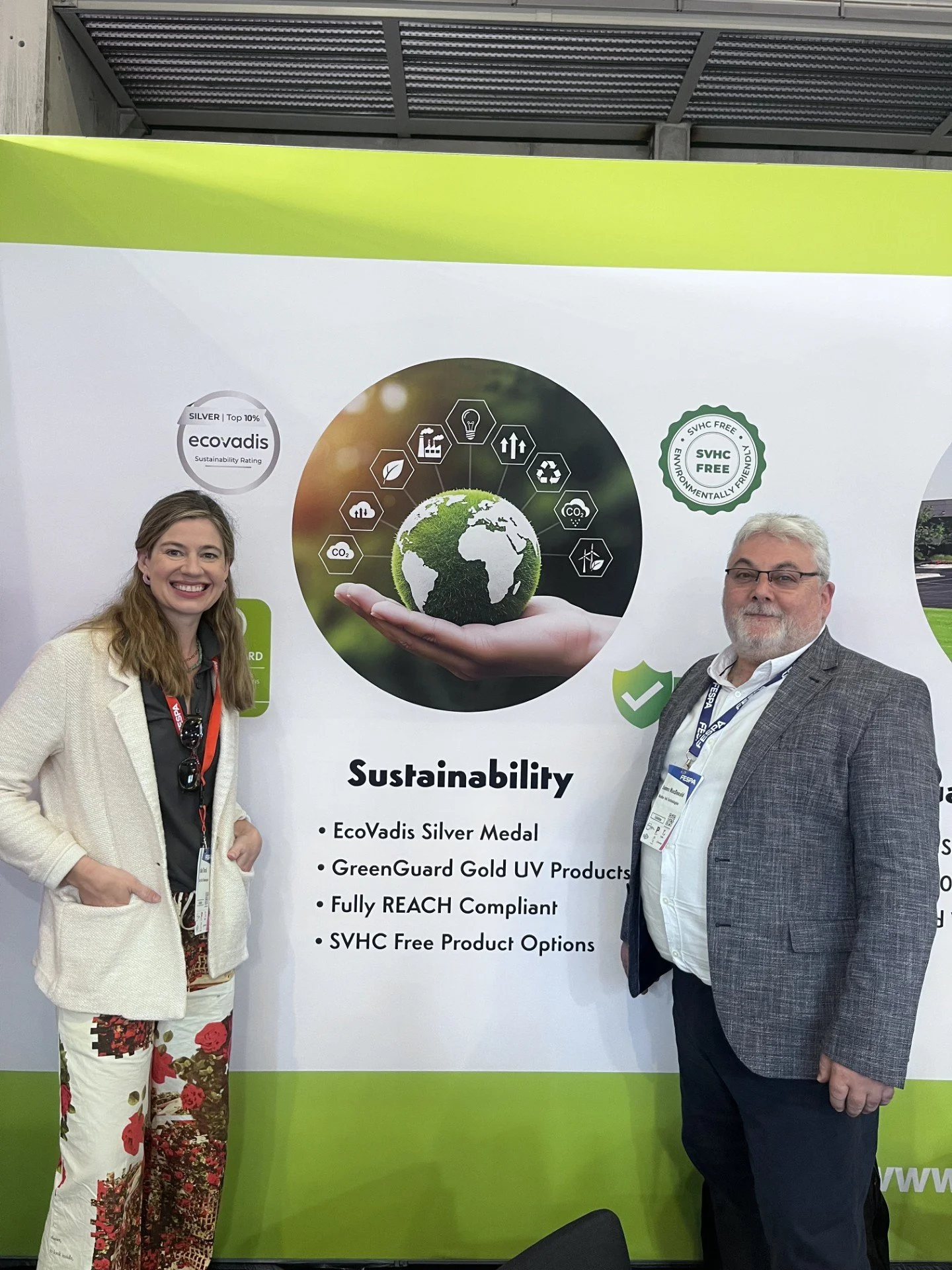
Nazdar made the same point, but through ink. I spoke with Natalie Thrall about the company’s work in high-viscosity water-based ink technology, particularly for corrugated. The advantages she highlighted were lower ink usage, increased colour gamut, better affinity with difficult substrates and lower water content, which can help reduce drying time and energy usage. Nazdar has also been awarded Silver EcoVadis status, adding another layer to the company’s sustainability story. But again, the interesting bit is not the certificate on its own. It is how the chemistry performs in production: whether the ink helps colour, drying, substrate compatibility and end-of-life considerations work better together.
Below: Natalie Thrall, Marketing Manager & James MacDonald, VP of Nazdar's OEM Group on their booth at Fespa 2026

INX was another example of that ink-led story. At FESPA, the company focused on INXJet Premium Digital Inks. Its new INXJet KECB water-based ink is aimed at corrugated applications, while the wider line-up included INXJet E32 Eco-Solvent, I32 UV LED Curable and T32 UV LED Curable inks. INX also highlighted GREENGUARD Gold-certified products within its INXJet portfolio.
Again, the interesting point was not just the range itself, but what it says about where ink development is going: application fit, compliance, colour, curing, substrate compatibility and real-life production all having to work together.
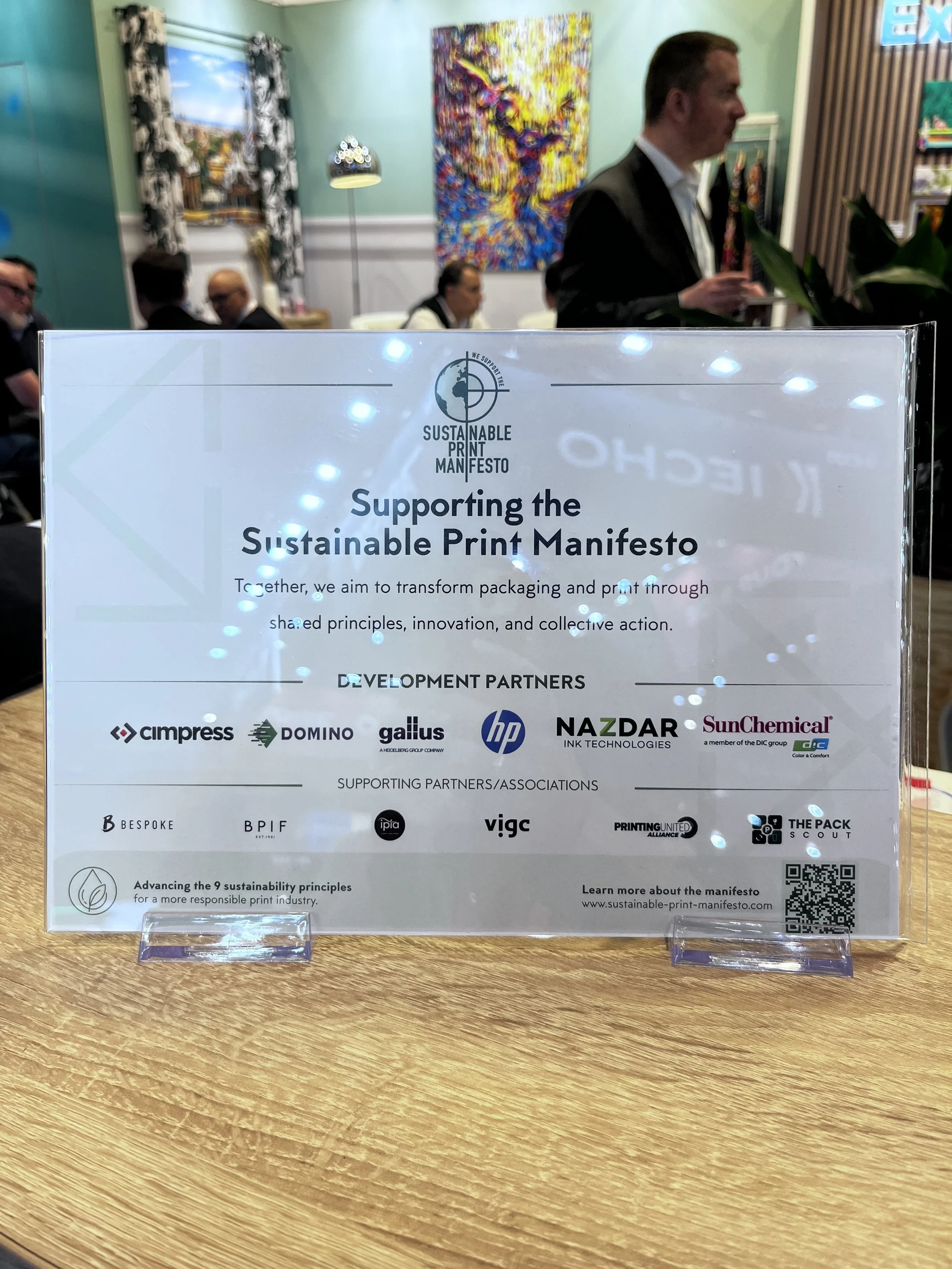
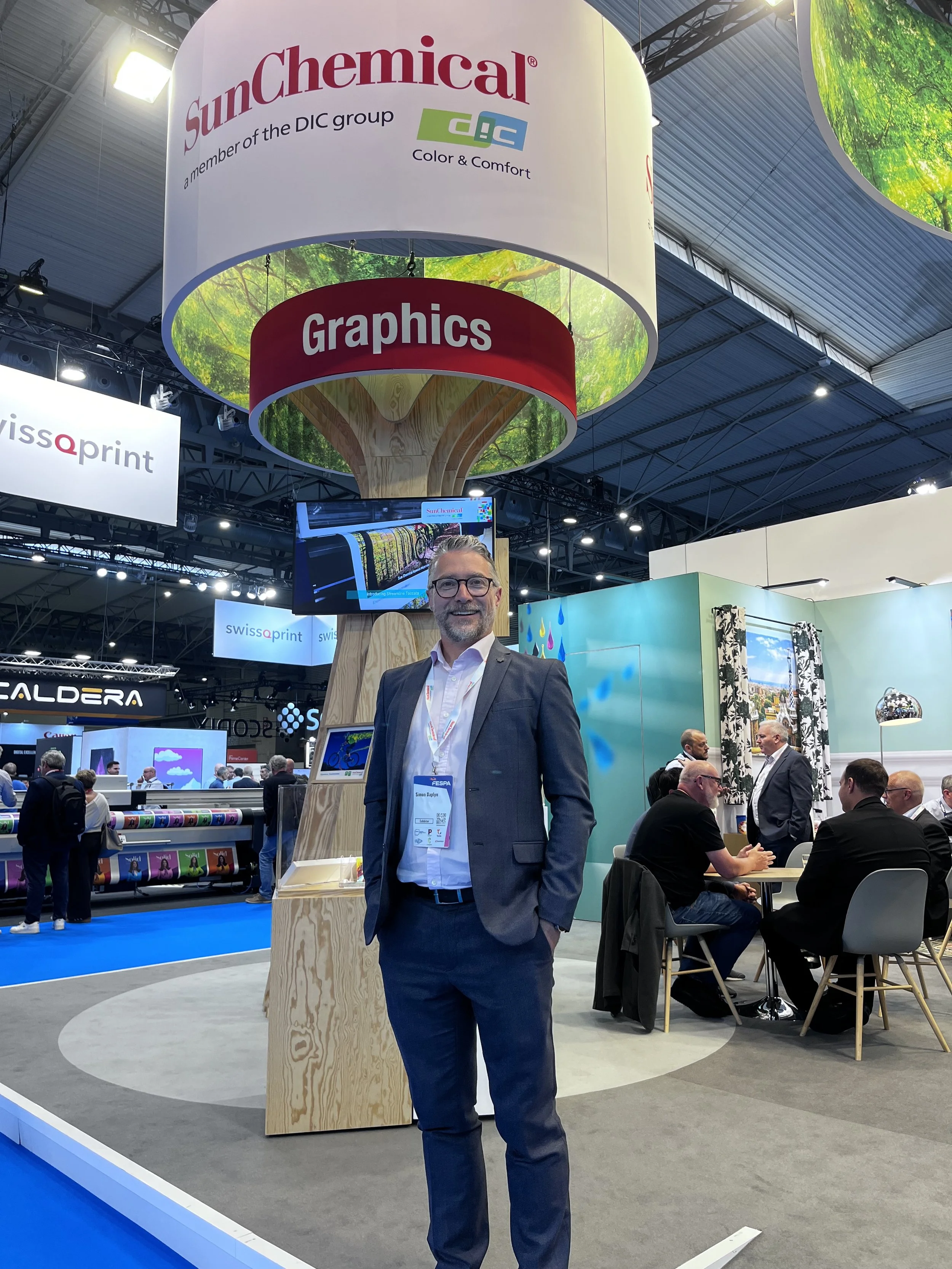
Our pre-show coverage for Sun Chemical highlighted Streamline Kashu, an aqueous pigment ink for paper, poster and corrugated printing for Epson i3200 printheads, along with wider water-based, eco-solvent, UV, UV DTF and textile ink ranges. Sun Chemical was not shouting about sustainability, but it was there if you knew where to look. As a Development Partner of the Sustainable Print Manifesto, the company displayed its certificate on the stand.
Below: Sustainable Print Manifesto Certificate & Simon Daplyn, Sun Chemical
By the end of the week, automation and sustainability felt closer to me than they had at the start. Maybe I noticed it because I was already thinking about it. But the link was there often enough to be worth mentioning. Automation was the louder conversation, no doubt. Sustainability was quieter. It sat more in the materials, the inks, the drying, the samples, the recycling conversations and the questions people asked when they handled something and wanted to know what it was made from.
But both kept coming back to the same issue: how do we take waste out of the job?
So, for me, Barcelona was not about one dominant launch. It was about the middle bit: the places where software, ink, materials, finishing, design, data and AI all have to meet. That is where the effort is now: getting those pieces to join up better.
And there you have it. That was my story of Barcelona.