
FuturePrint PodFEST 2026: Nine Conversations, One Industry
A few weeks ago, in our piece on why podcasts matter, we made the case that great podcasts are built on people, not technology. Last week, at the Century Club in London, we got to prove it.
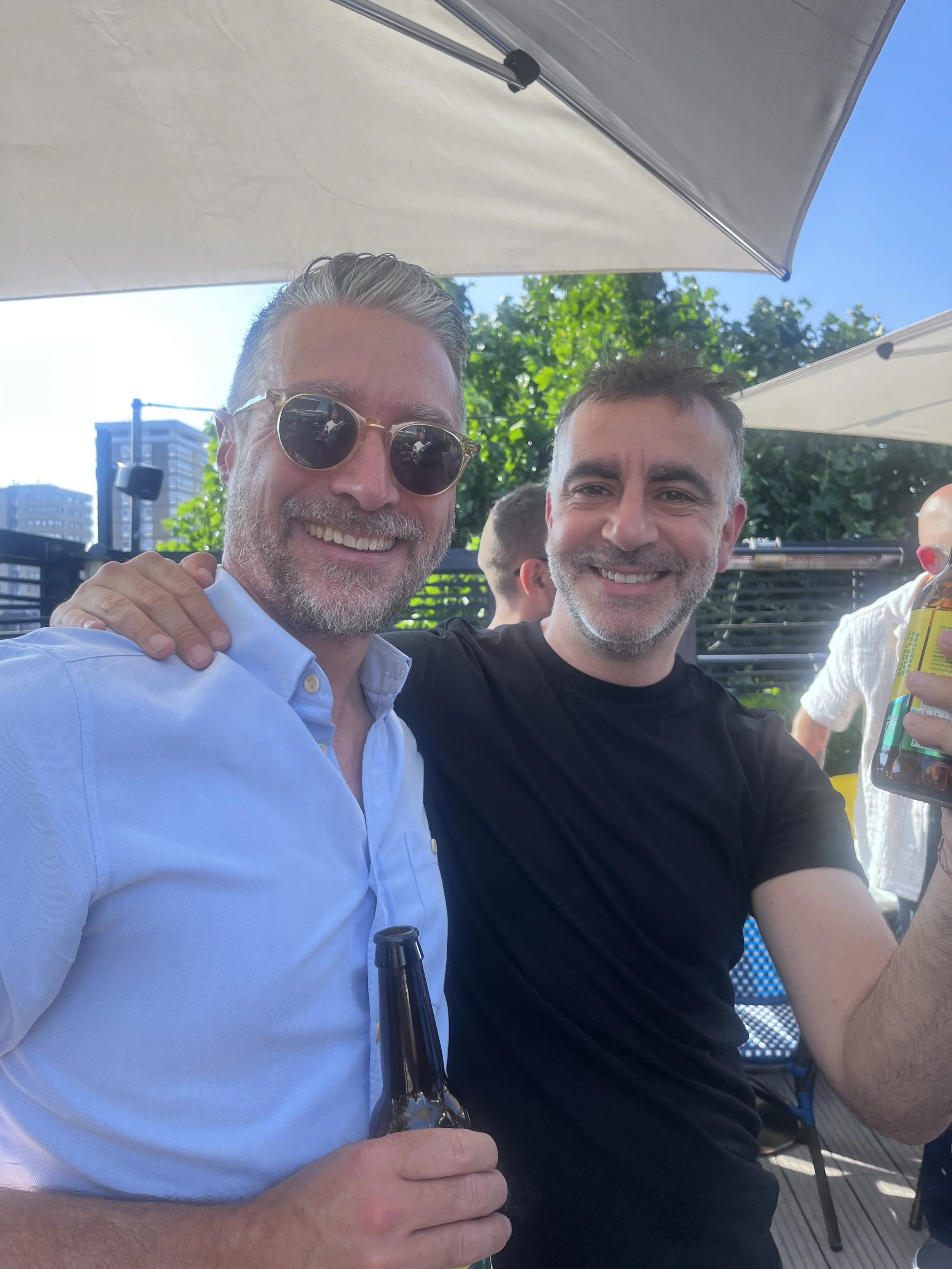
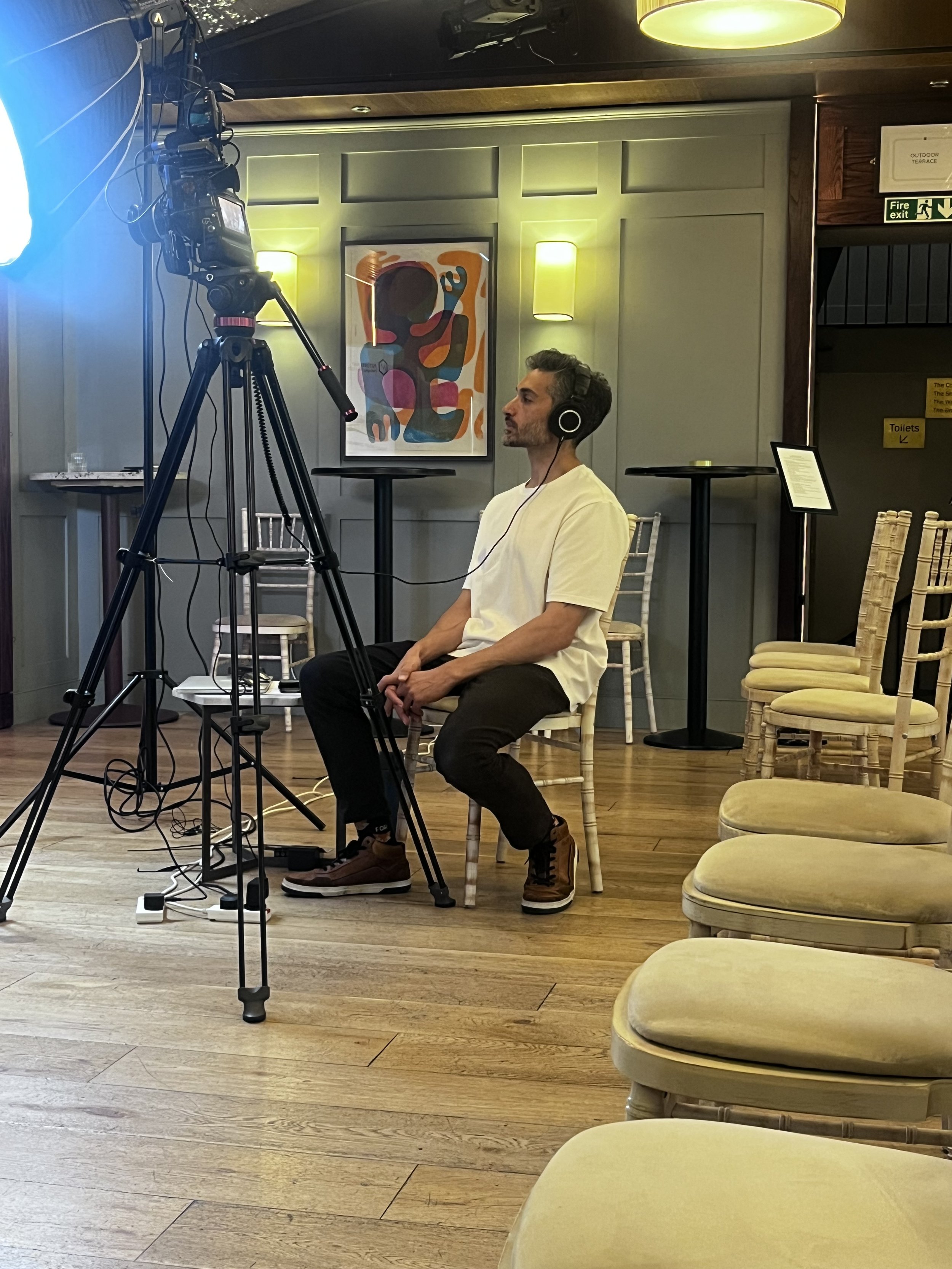
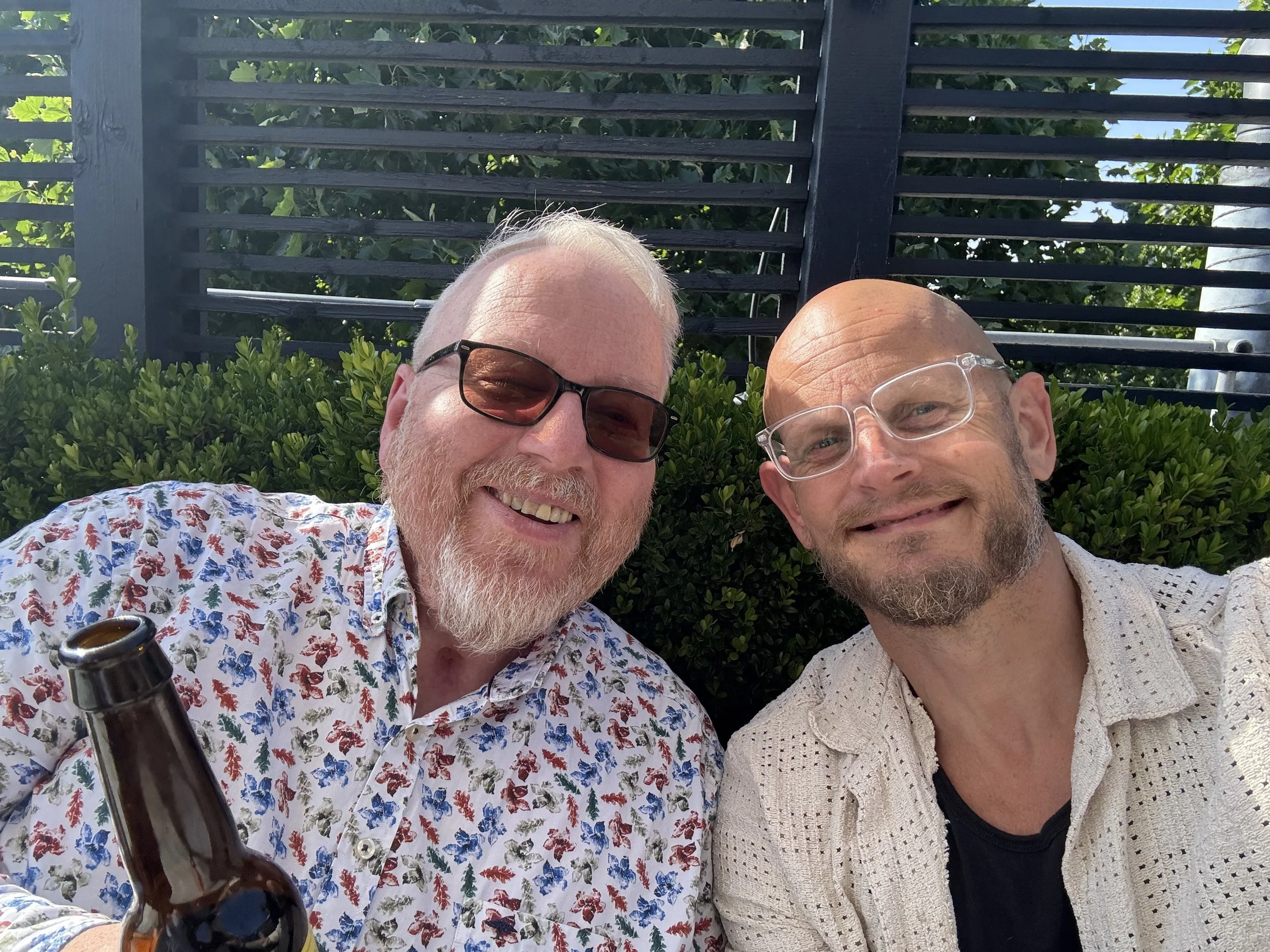
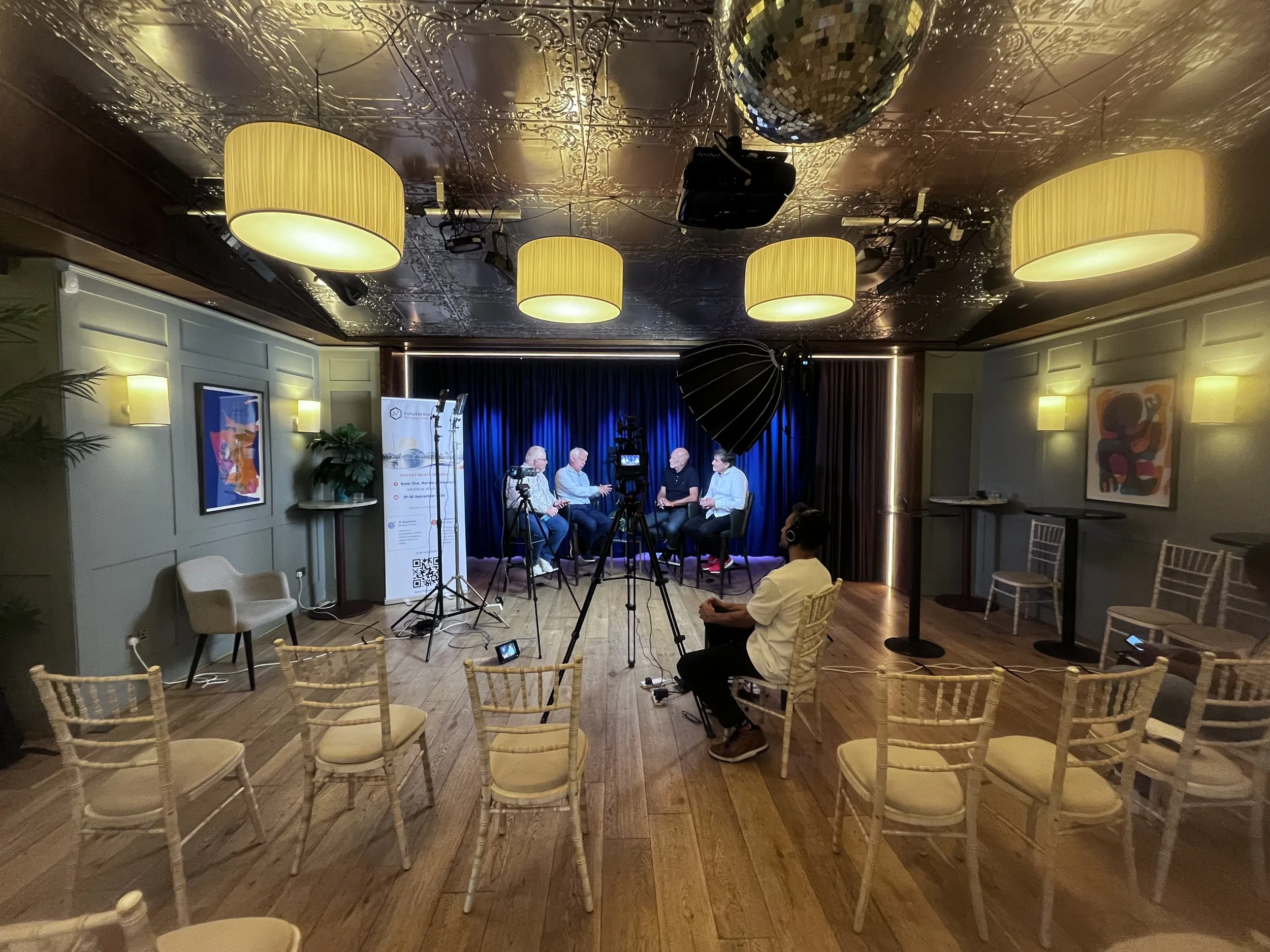
On 25 and 26 June 2026, more than 30 thought leaders, business leaders and innovators walked through the doors of the Century Club in London's West End. Over two days, they sat down across nine recorded conversations covering everything from AI and decarbonisation to decorative surfaces and the next generation of print talent. The cameras rolled. What followed was approximately nine hours of recording about exactly the kind of conversation we'd hoped PodFEST would create.
This was FuturePrint's first PodFEST, and the idea behind it was simple: get the right people in a room, on camera, and let them talk freely about the things that actually matter to this industry. The result: two days of real conversation, with room to disagree, to build on an idea, and occasionally to end up somewhere nobody expected. The filmed conversations will be released over the coming months, but here is a flavour of what the nine hours of recording gave us.
Day One: Brands, Carbon and the Case for AI
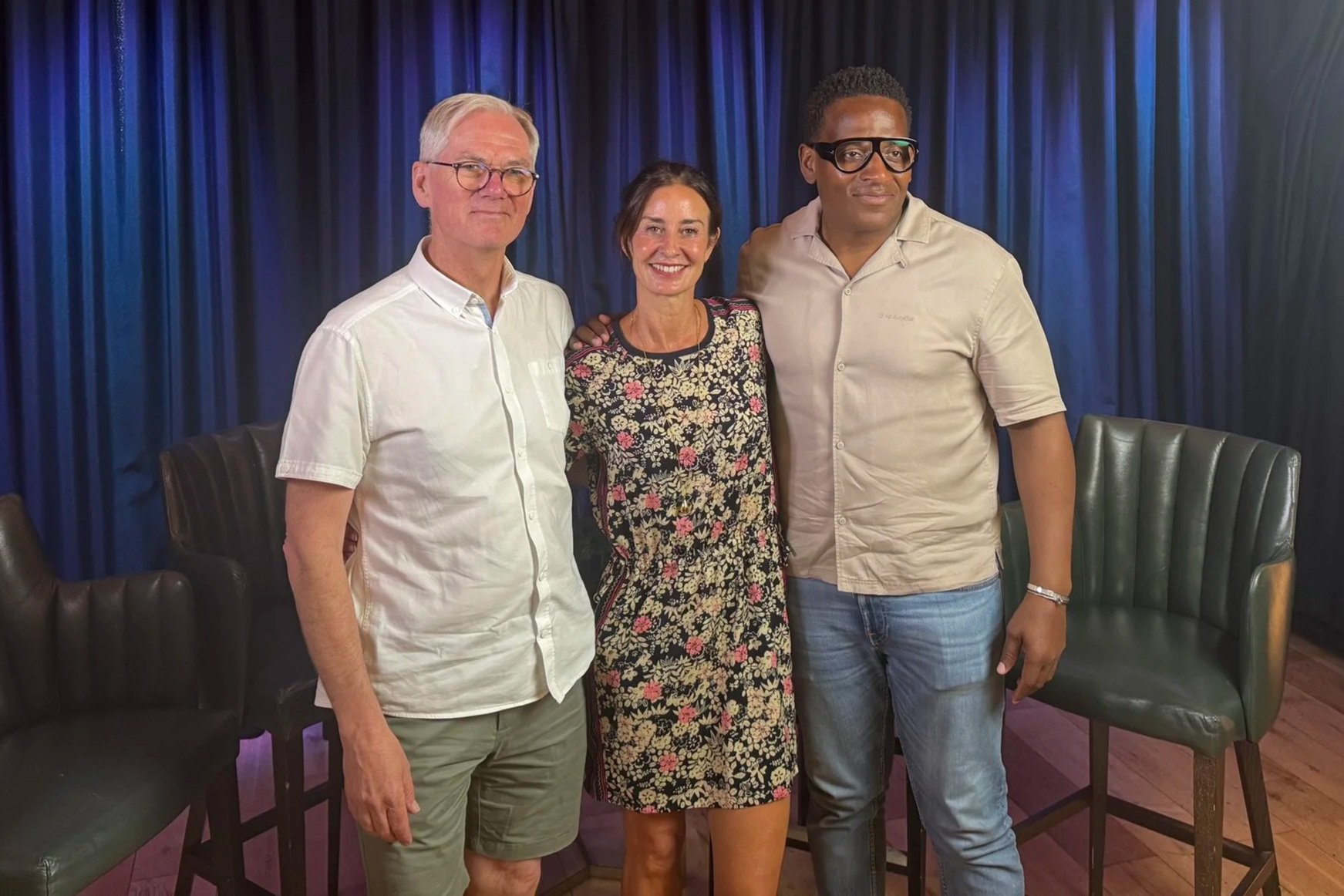
Mark Stephenson, Elena Knight & Dr Chris Jones
Thursday began with brands and trust. The IPIA's session on building brands beyond short-term marketing, hosted by Mark Stephenson alongside Dr Chris Jones of Ravensbourne University and FuturePrint's Elena Knight, opened the event by asking whether marketers have become too focused on efficiency at the expense of effectiveness, and what role physical media can play in rebuilding trust in a digital-first world. The conversation moved from attribution and automation through to the idea that, in a world of digital and AI-generated content, the brands that win may not be the loudest, but the ones that build the deepest trust.
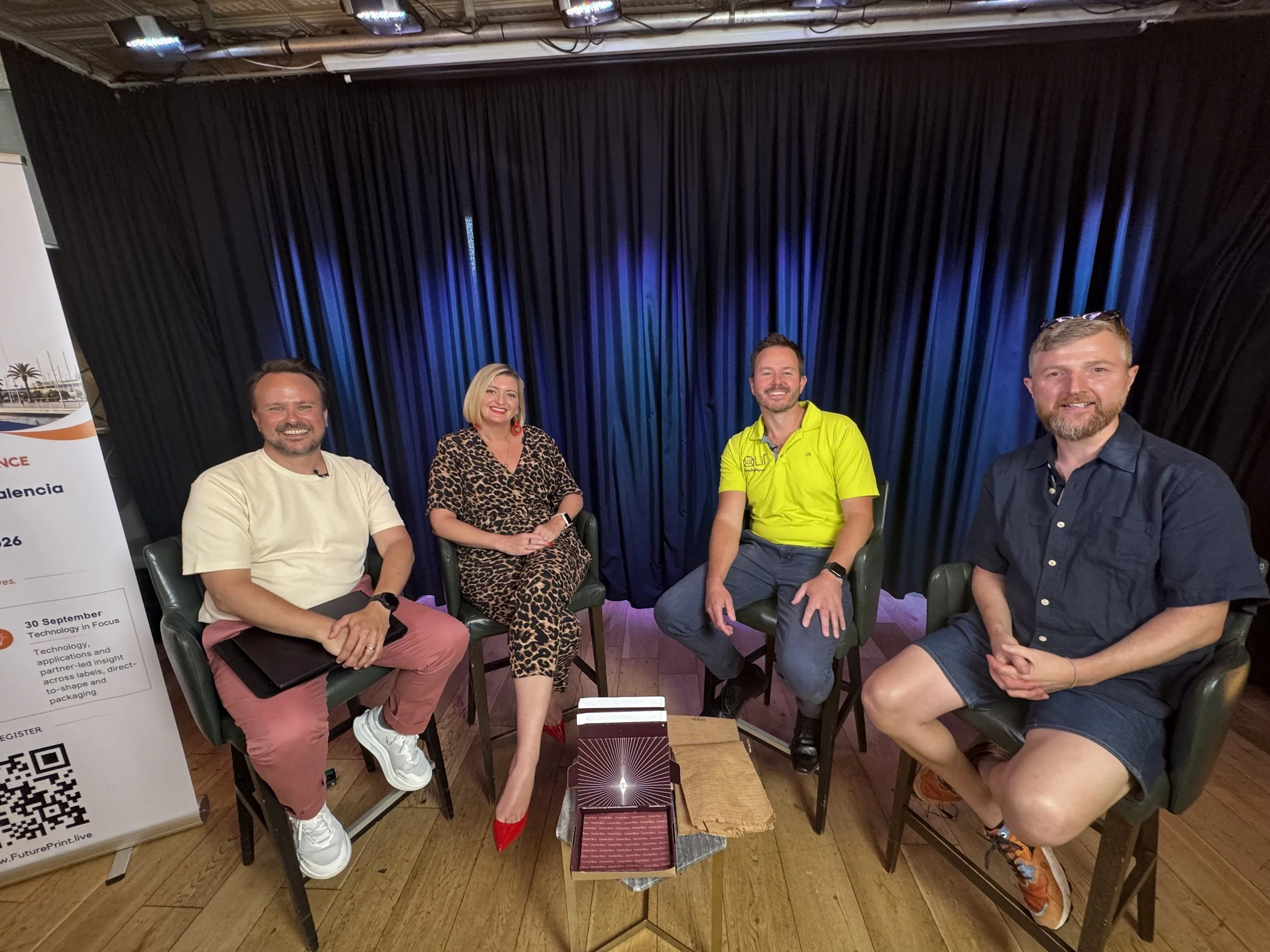
That same thread of trust and tangibility carried straight into the next session, where Stefan Casey of Lightning Tree discussed how print still wins the brand experience with Camilla Young of GS1, Fred Lill of Lil Packaging and Thomas Herman of Path.
From brand trust, the conversation moved on to climate. Simon Daplyn of Sun Chemical sat down with Jeffrey Freeman of Cimpress and Dominic Harris of CarbonQuota to talk carbon, not in abstract, but in practical terms: what Scope 1, 2 and 3 actually mean day to day, what Cimpress is doing differently, and at what point sustainability data stops being something you report on and starts being something you actually use to make decisions. What came out of this conversation was that data only matters when it changes what people actually do, not when it sits unread in a report.
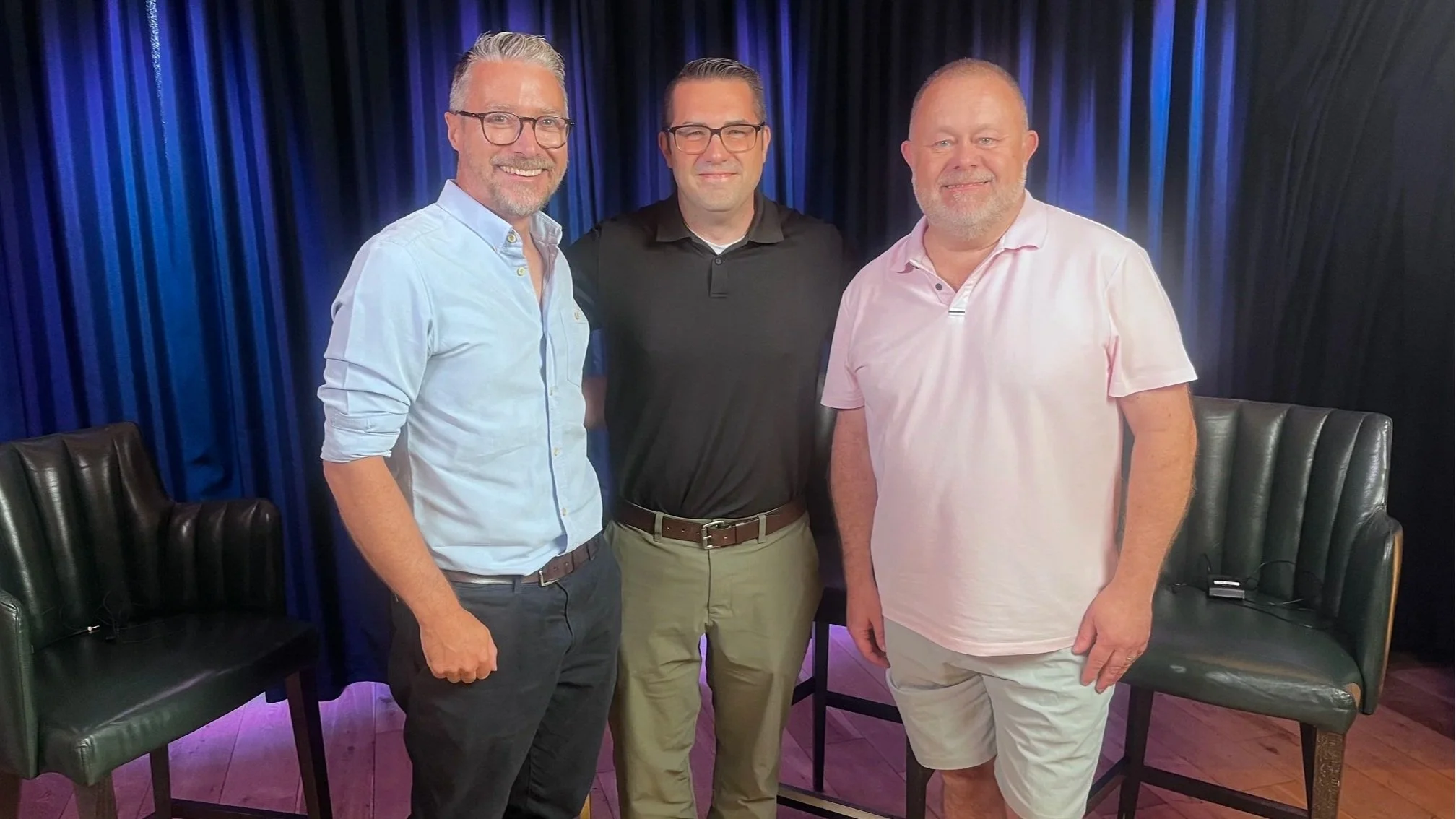
Simon Daplyn of Sun Chemical, Jeffrey Freeman of Cimpress & Dominic Harris of CarbonQuota
That thread carried into the afternoon's Sustainability session, hosted by Steve Lister with Carlos Lahoz of HP, Elizabeth Smith of INX and Barbara Chaplain of Cimpress. Using the Sustainable Print Manifesto as a framework, the panel worked through the why, the materials, the data and the collaboration needed to turn good intentions into real progress across the industry. What came out of this conversation is that this is an investment, not a cost, and the window to make sustainability a genuine advantage is open right now.
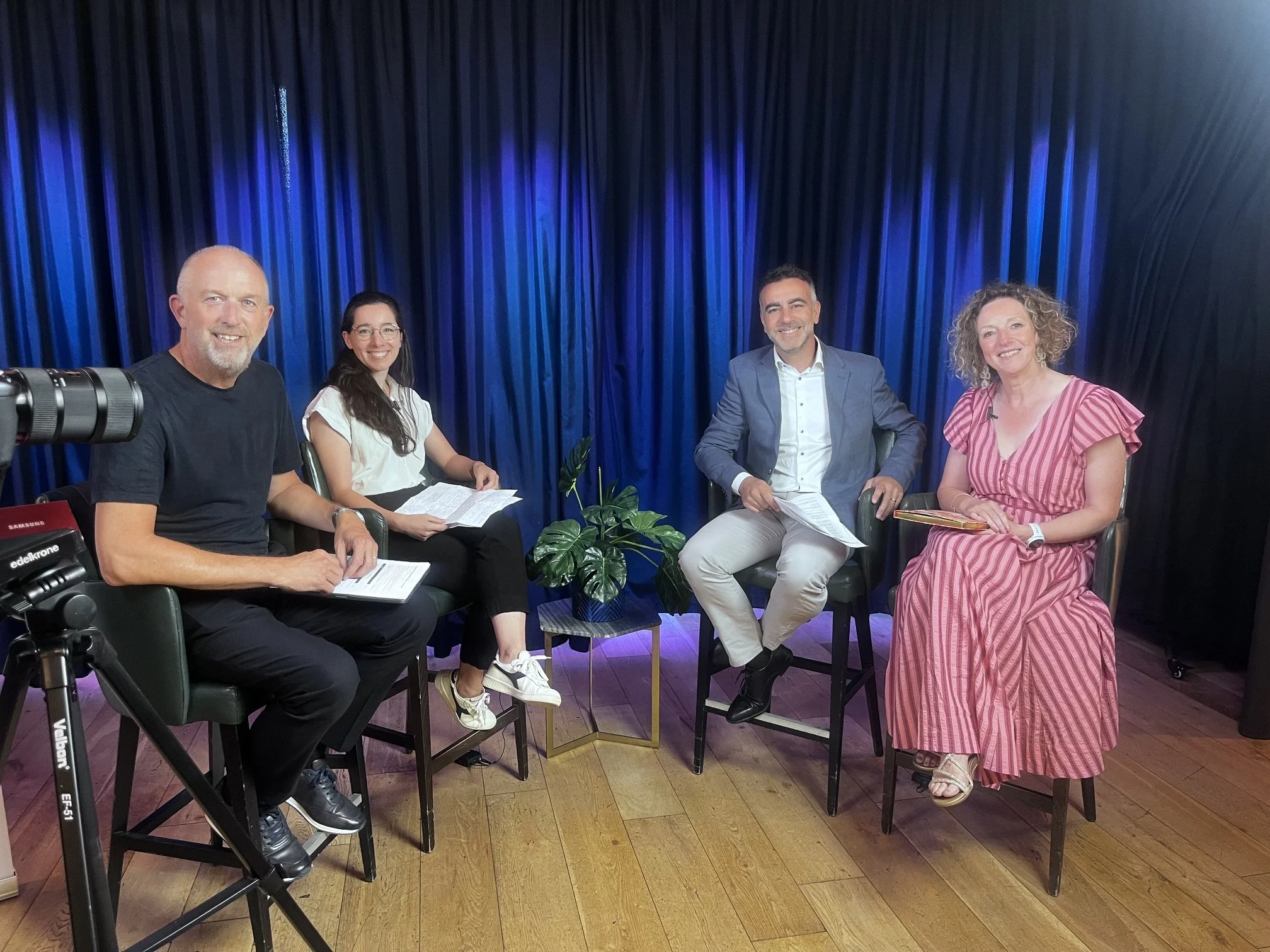
Steve Lister, Barbara Chaplain, Carlos Lahoz & Elizabeth Smith
The afternoon then moved from sustainability to surfaces. Royce Dodds of Cruse Technologies hosted Marc Graindourze of Agfa, Harald Jordan of IPAC and Robert Bierfreund of MetiQon for a frank look at decorative surfaces, asking whether the industry has overestimated the speed of digital adoption, or whether it is just further along a longer journey than we expected. The panel discussed where digital genuinely creates value today, what customers are asking for now that they weren't five years ago, and what success might look like if the same group reconvened in 2030.
Thursday closed with a session on AI in inkjet printing, hosted by Simon Edwards of GIS with guests including Neelima Alluri, Chain of Thought A.I., Mike Sales of 42T and from OUR LAB. The message that came through here was: AI's greatest value is not replacing people, but compressing the time between identifying a problem and finding a solution. From cutting support team workloads through AI-assisted diagnostics, to embedding AI directly into machines through Edge AI and natural language interaction, the conversation kept coming back to one idea though, that AI should make engineers faster, not redundant.
Day Two: Collaboration, Innovation and the Next Generation
Friday's opening session started with collaboration. Richard Darling of GIS hosted Grant Copson of Cyan Tec, Ali Eranpurwala of Seiko and Dean Allen of Nazdar for a session on industrial print partnerships, looking at how research institutes, integrators and ink and printhead specialists need to work together to take an idea from proof of concept to market.
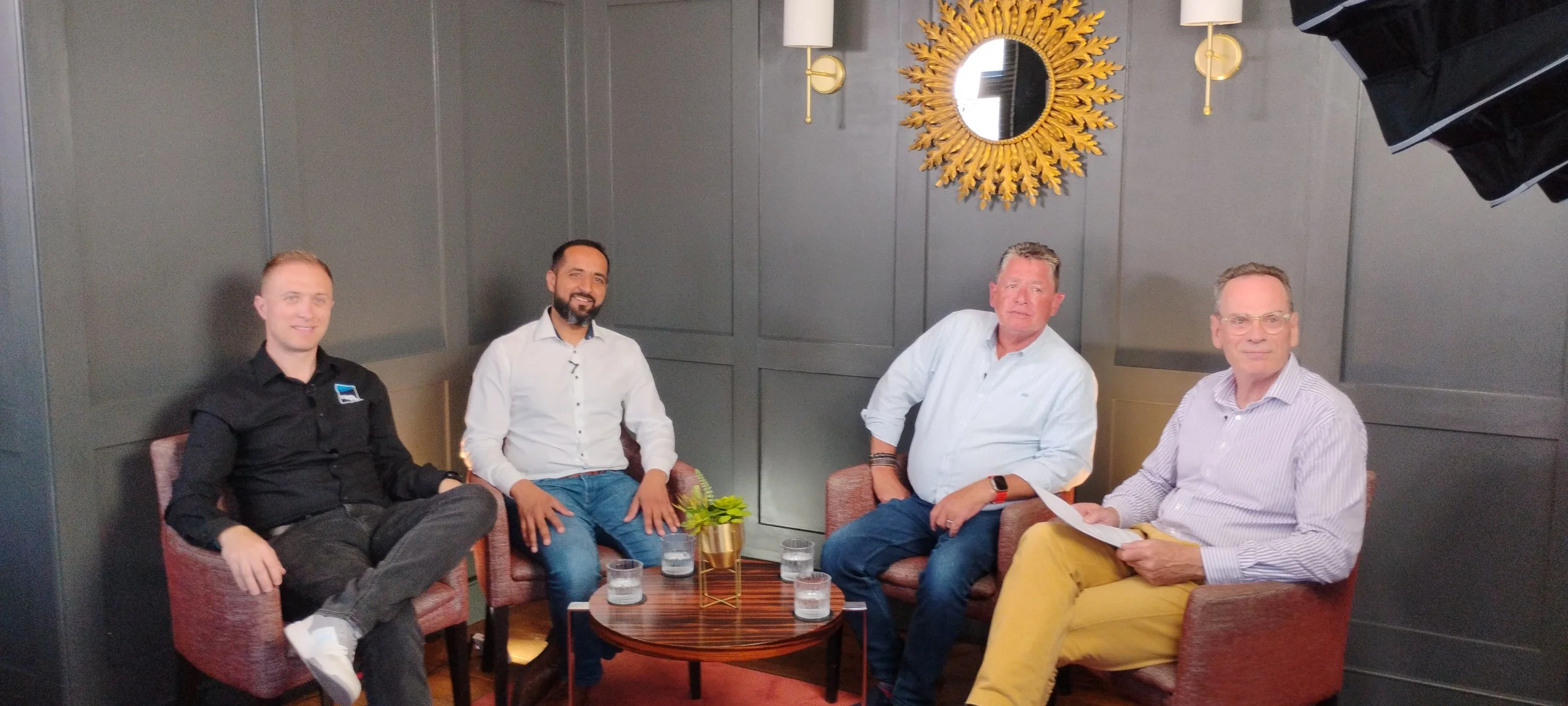
Grant Copson, Ali Eranpurwala, Dean Allen, Richard Darling
That same theme of ecosystem thinking carried straight into the next session, Innovation in Industrial Inkjet with Clayton Sampson of CyanTec, Didier Rousseau of KELENN Technology and Keith Kenny of Xaar. The conversation moved past the idea of inkjet as simply a printing technology, looking at how printheads, robotics, vision systems and AI-driven calibration are turning inkjet into a genuine advanced manufacturing technology. The panel, hosted by FuturePrint’s Marcus Timson, tackled the uncomfortable but important question of why good inkjet ideas still fail before they reach the factory floor (we discovered they do not fail if they have reached the factory floor!) and which analogue processes are most vulnerable to digital disruption over the next five years.
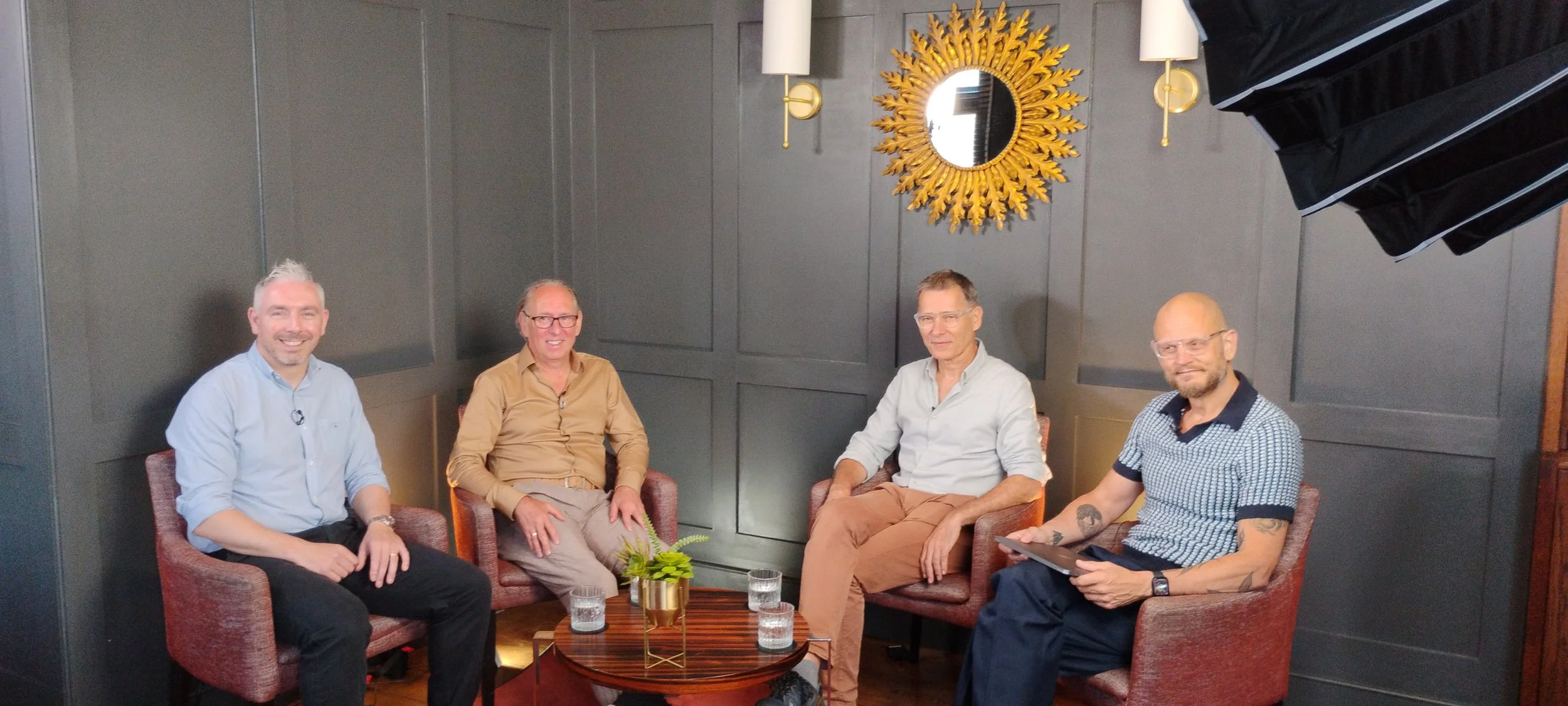
Keith Kenny, Clayton Sampson, Didier Rousseau & Marcus Timson
PodFEST closed exactly where we feel the future of our industry should be: with the people who will shape it next. Lizzie Bentley of IST INTECH hosted The Printing Charity's Rising Stars for a session on young leaders in print, learning how each of them found their way into the industry, what surprised them most once they arrived, and what the industry still gets wrong when it comes to attracting and keeping the next generation. It was a fitting final note. An industry that spent two days talking about AI, sustainability and the future of manufacturing, ending with the people who will actually build that future.
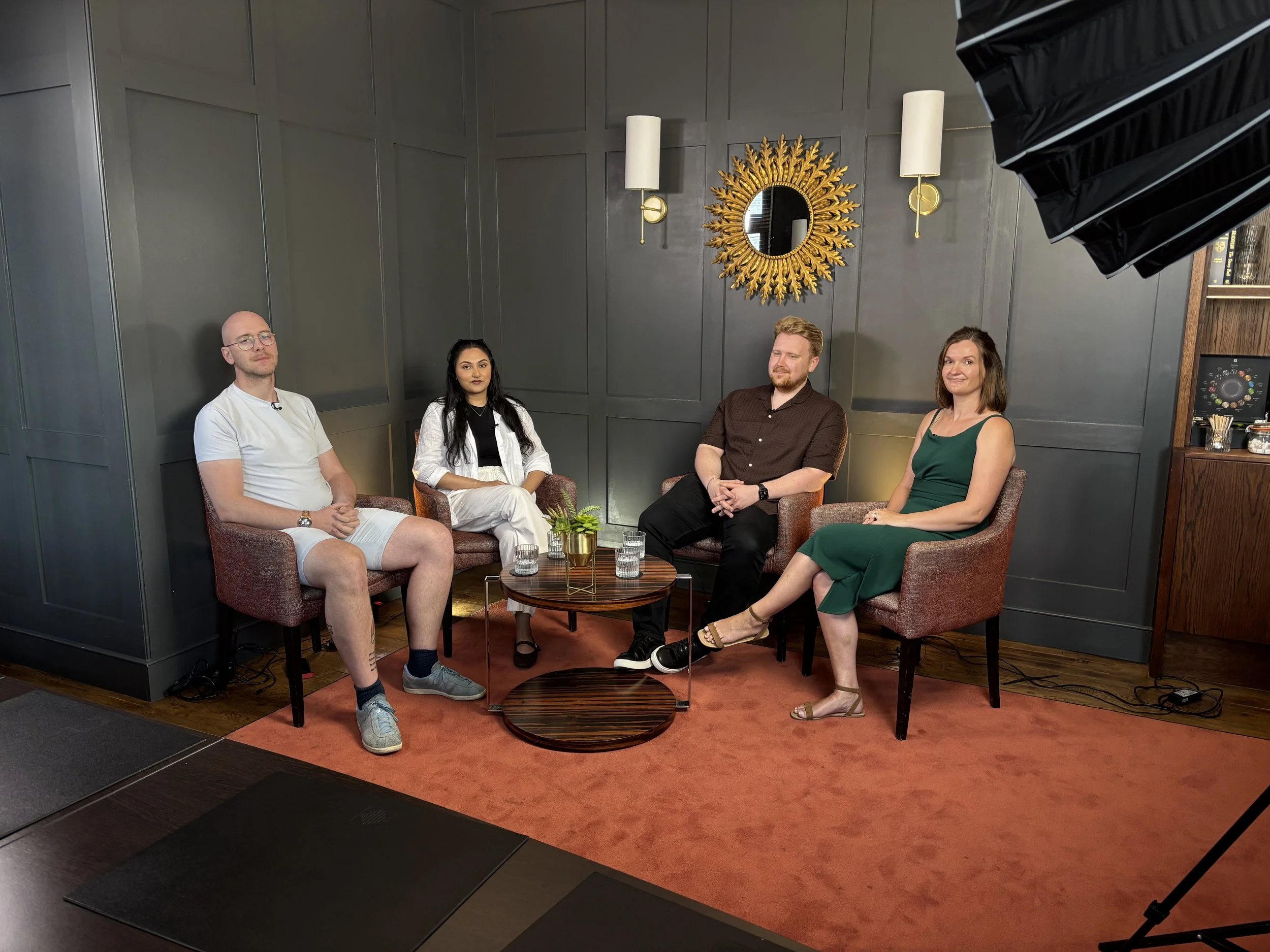
Lizzie Bentley of IST with Connor Lonsdale, Paranova Print & Packaging, Sayeeda Rafique, Xerox, and Callum Richardson, Instantprint
But PodFEST was never just about what happened in front of the camera. Some of the best moments came in between sessions, over coffee, in the corridors of the Century Club, where panellists who'd never met before found themselves swapping stories and comparing notes. People who'd spent years in the same industry not knowing each other, sat together as guests of the same event, and the conversation didn't stop when the cameras did.
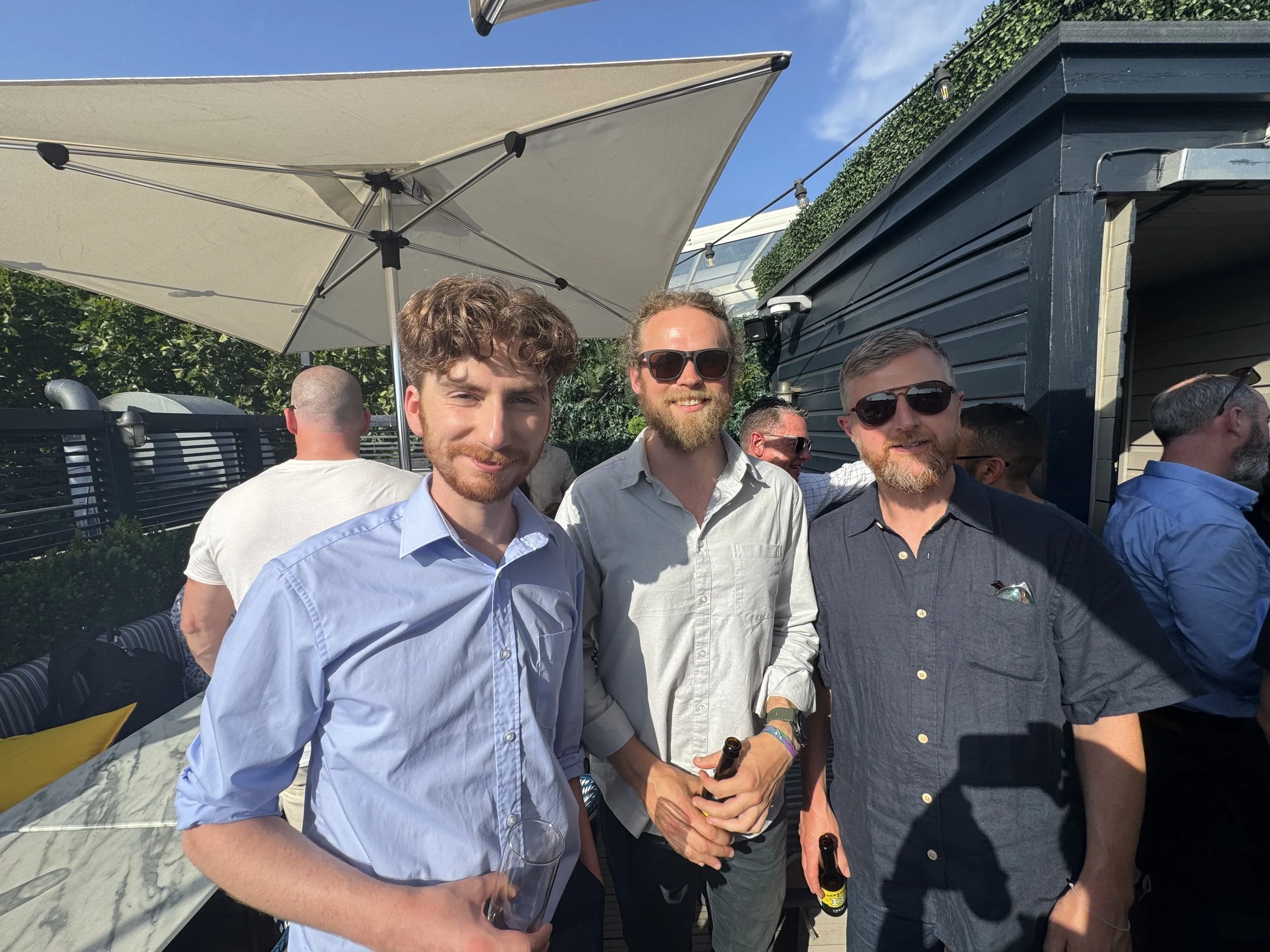
That continued into the evening, when the whole group came together for rooftop drinks and dinner. No agenda, no panel format, just a room full of people who care about this industry, talking, laughing and getting to know each other properly. It's easy to forget how rare that is. Most of the time, our industry connects across an exhibition stand at a trade show or a screen during a zoom call. PodFEST gave people something different: time, and the kind of relaxed environment that helps turns a contact into a real connection.
If the panels gave us nine conversations worth sharing, the networking gave us a reminder of why we wanted to do this in the first place. Print is still, at its heart, a people industry. Across the two days, a few topics kept reappearing: Trust matters more than volume, whether that is in marketing, sustainability claims or AI adoption. Data is only powerful when it changes a decision, not when it merely sits in a report. And collaboration, not competition, is what will move this industry forward, whether that is brands and print, suppliers and customers, or research institutes and integrators. Futureprint’s intention was to create a space for thoughtful, useful, and perhaps even beautiful conversations about print in all its forms. Nine sessions in, we think we got there.
These conversations will be edited, produced and shared with the FuturePrint community over the coming months, with content beginning to roll out over the summer and continuing through to the end of the year.
We will continue the conversation at FuturePrint Packaging, Labels & DTS in Valencia this September. We'll be bringing some of these same voices, and plenty of new ones, back together in person to keep talking.
And the rest, as they say, is print.