
Polytype: Precision, Packaging and the Journey to Digital
This article is inspired by a recent FuturePrint Podcast interview with Mr. Julien Bianchi, CEO of Polytype. You can listen to the podcast here.
In the packaging industry, longevity is rarely accidental. Companies that survive for generations tend to share a particular trait: the ability to adapt without losing their identity. Polytype is certainly a case in point.
The Swiss-based packaging decoration specialist traces its roots back more than a century, to a time when its technological heritage lay not in packaging printing technology but in newspaper printing. Through its predecessor WIFAG, the company originally built high-performance printing presses for the global newspaper industry - machinery that embodied Switzerland’s reputation for precision engineering.
Yet the world was changing. By the early 1960s, the owners recognised that newspaper printing alone would not define the businesses future. Consumer markets were expanding rapidly in line with growing disposable incomes and packaging was becoming more sophisticated. In addition, new materials such as aluminium and plastic were reshaping the manufacturing for a variety of consumer items including cosmetics, beverages and other FMCG items.
So in 1962, Polytype was founded in Fribourg with a clear objective: apply the engineering expertise of the newspaper printing technology to a completely different market - packaging decoration.
It proved to be a prescient move.
From newspapers to packaging
The transition from newspaper presses to packaging decoration may appear a significant leap. In practice, it reflected a deeper continuity.
Both industries require high-speed printing, precise registration, and machines capable of running reliably in industrial environments. What changed was the surface being printed. And the shape.
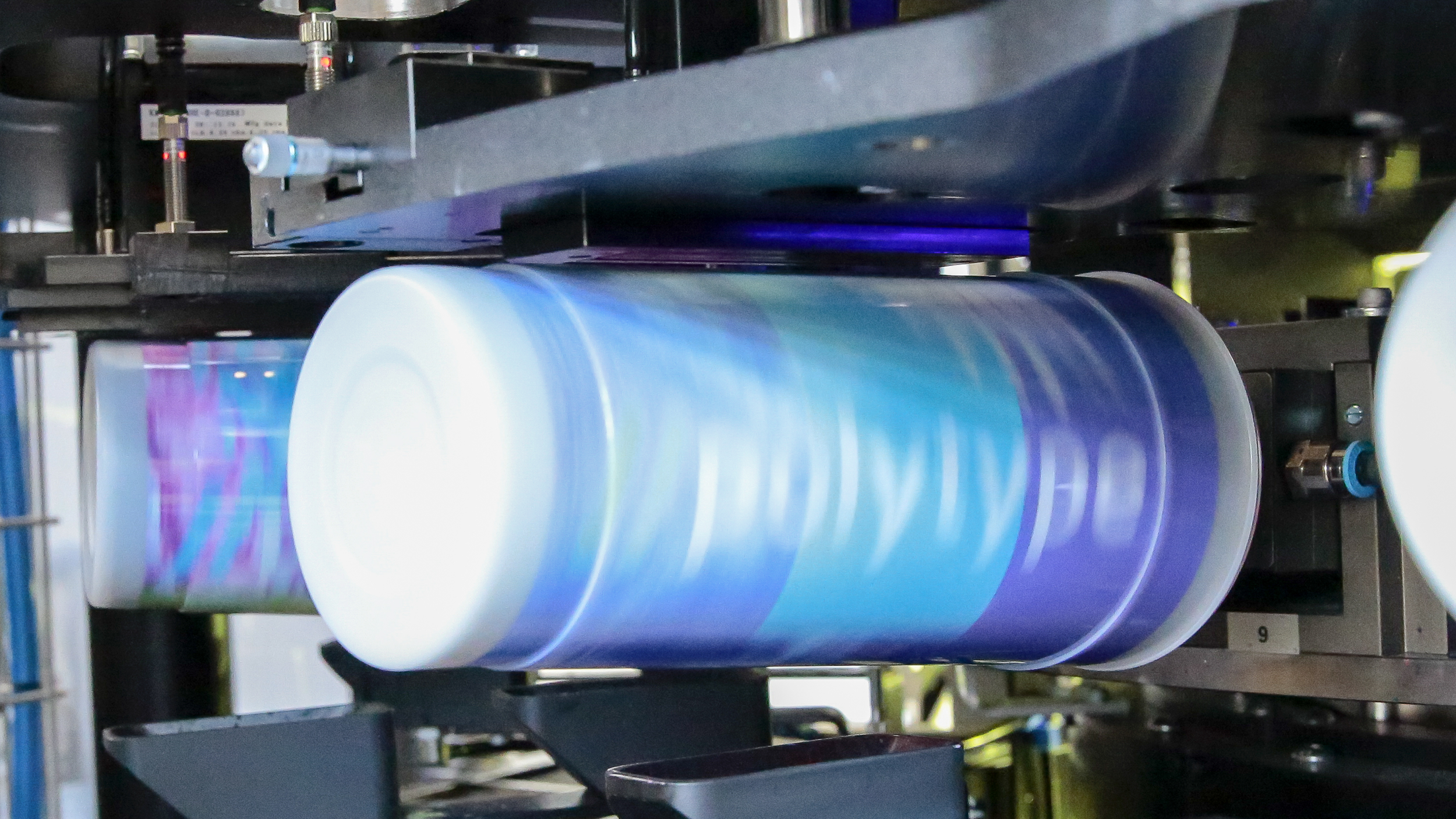
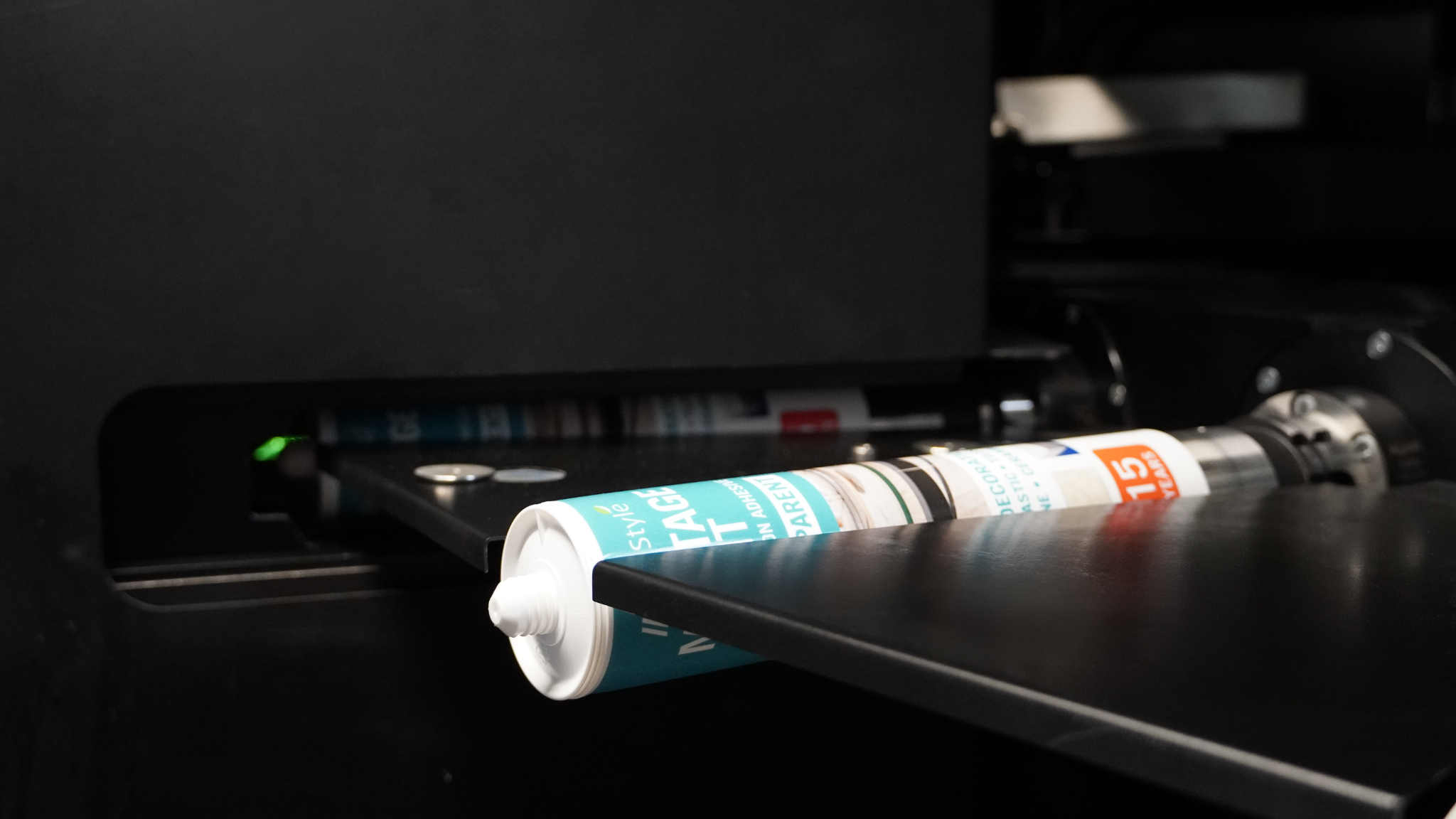
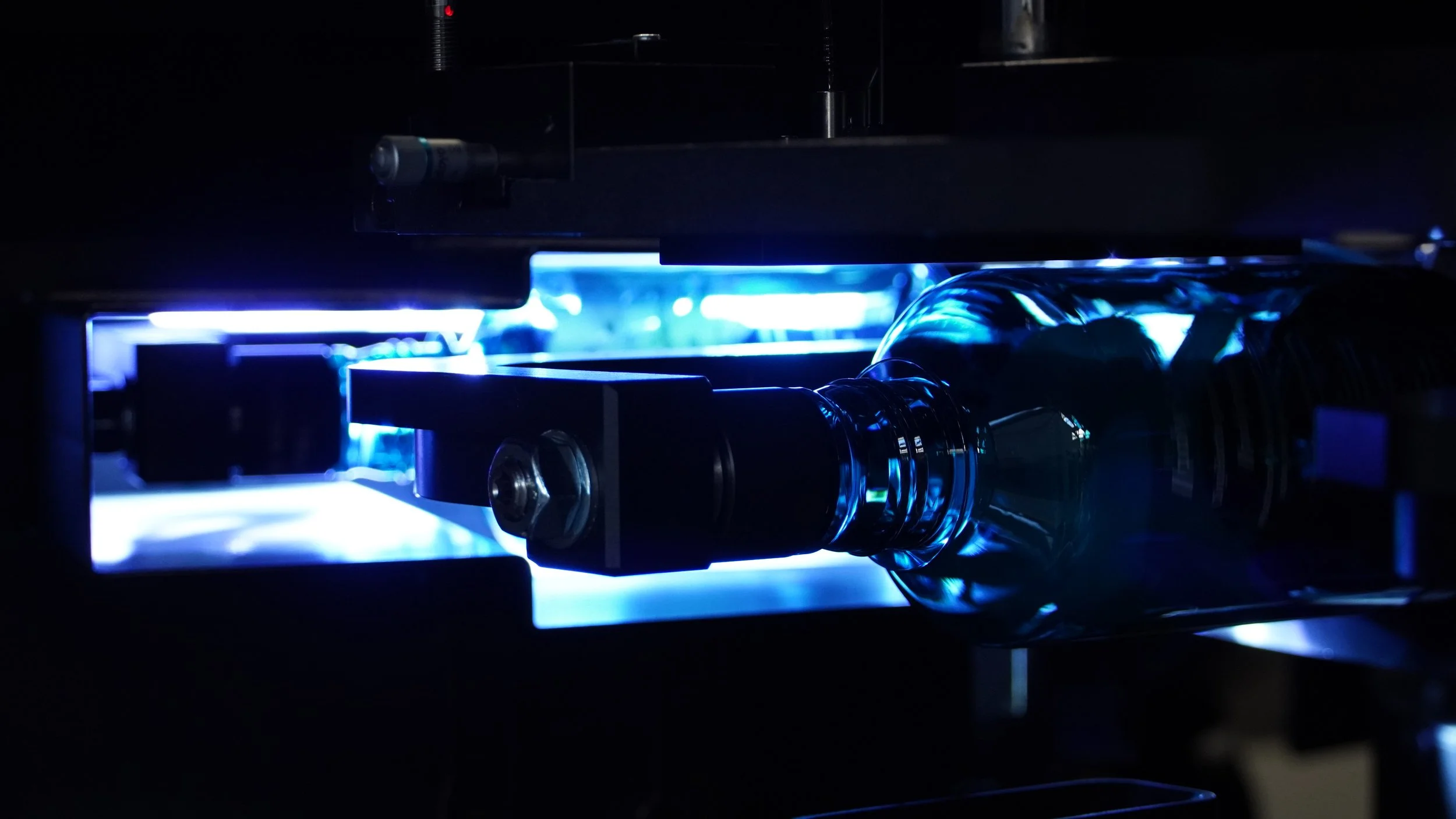
Instead of flat sheets of paper, Polytype began printing directly onto aluminium tubes, later expanding into plastic tubes and other packaging formats. The technical challenge was considerable. Printing onto curved, rigid or irregular surfaces requires far greater control over handling, curing, and registration than conventional paper printing processes.
But the company saw this difficulty as an opportunity rather than a barrier.

“Direct-to-shape is the hard way,” says Mr. Julien Bianchi, CEO of Polytype. “But it is also the most powerful way to create impact on packaging. The decoration becomes part of the object and therefore, the product itself.”
That philosophy has defined the company ever since.
“Direct-to-shape is the hard way,” says Mr. Julien Bianchi, CEO of Polytype. “But it is also the most powerful way to create impact on packaging. The decoration becomes part of the object and therefore, the product itself.”
That philosophy has defined the company ever since.
The power of printing on the object itself
Many packaging formats rely on labels, sleeves or secondary decoration processes. Direct-to-shape printing takes a different approach. The image is applied directly onto the container itself, making decoration inseparable from the object.
For brand owners, this creates a distinctive aesthetic. For manufacturers, it introduces complexity.
The surface must be perfectly controlled. Registration must remain accurate even at high speeds. Ink adhesion, curing and handling systems must all function in harmony.
This combination of mechanical engineering and printing expertise has become Polytype’s speciality. Over decades, the company built a reputation for dry-offset technology capable of delivering high-speed, high-quality decoration for large production runs.
And despite the rapid rise of digital printing, Mr. Bianchi is clear that analogue remains essential.
Analogue and digital are not rivals
In many areas of print, digital technology has been framed as a disruptive replacement for analogue processes. Polytype takes a more pragmatic view.
Dry offset remains one of the most efficient technologies for large-volume production. High-speed packaging lines running millions of units still rely on it.
Rather than replacing analogue, digital printing adds new capabilities.
“We do not see dry offset and digital as being in conflict,” Mr. Bianchi explains. “They are complementary tools in the decoration toolbox.”
Large batches and cost-sensitive markets still favour analogue. Digital printing, by contrast, excels where flexibility is required - smaller batches, customised packaging, or on-demand production.
Interestingly, Polytype’s digital machines are often purchased by entirely new customers rather than relying on existing analogue clients. That suggests digital printing is expanding the market rather than merely replacing established processes.
Building a digital ecosystem
Polytype began its digital inkjet journey around 2010 - early by industrial inkjet standards. But the company’s strategy extended beyond simply adding inkjet printheads to existing machines.
Instead, it has developed an entire digital ecosystem designed specifically for direct-to-shape printing.
At the centre of this ecosystem is the KALMAR platform, Polytype’s proprietary digital architecture. It encompasses the user interface, data processing software, printhead electronics, ink management systems and network infrastructure.
In short, Polytype controls the full technology stack.
This approach provides a significant advantage in industrial environments, where reliability, integration and long-term support are critical.
But Polytype has also taken a somewhat unusual step in the digital printing world: it does not sell its own ink.
Instead, customers are free to purchase compatible inks directly from specialist suppliers. The company believes this open model encourages competition and helps keep ink costs manageable - a persistent concern in digital printing economics.
It also reflects a broader philosophy of openness.
Formula One for inkjet
Polytype’s digital strategy extends beyond its own machines. Through OEM partnerships, the company supplies its inkjet technology to other integrators.
Mr. Bianchi compares this to Formula One racing: a high-performance development environment that pushes engineers to innovate.
Working across different applications allows Polytype’s engineering teams to remain closely connected to market developments. Lessons learned through OEM collaborations often find their way back into the company’s own packaging systems.
Another important pillar is education.
Polytype helped establish the iPrint Institute at the engineering school in Fribourg, a research centre dedicated to industrial inkjet. The institute not only advances digital printing research but also provides a pipeline of young engineers who later join the company.
Together, these initiatives create a feedback loop between research, development and industrial application while investing in the next generation of innovators!
Beyond packaging
Although packaging remains its core business, digital inkjet has allowed Polytype’s technology to move into other industries.
Through OEM collaborations, its systems have been applied in sectors ranging from automotive components to puzzles and aerospace parts. Any object that requires high-quality industrial printing becomes a potential application.
Digital technology, in other words, has expanded the company’s horizon beyond traditional packaging.
Global engineering, Swiss roots
Despite its international reach, Polytype remains firmly anchored in Switzerland.
Complete machines are built in Switzerland and Thailand, while spare parts hubs operate in Switzerland, the United States and Thailand to support global customers.
Service has become increasingly important as digital printing expands. Many new customers operate only one machine, making rapid technical support critical to their business operations.
Polytype maintains in-house manufacturing capabilities for spare parts - even for machines that have been running for decades.
In an industry where equipment lifespans can exceed 30 or 40 years, that commitment to long-term support is a competitive advantage.
Looking ahead
Like many industrial manufacturers, Polytype faces a complex global environment. Geopolitical uncertainty, supply chain shifts and increasing competition from Asia all shape the market.
Yet the company remains confident.
Digital printing, after more than a decade of development, is still at an early stage of its industrial adoption. Polytype plans to continue investing heavily in its digital platforms while expanding their application across its machine portfolio.
At the same time, innovation is not limited to printing technology itself. New packaging solutions, such as shoulderless tube designs that reduce plastic usage by up to 50%, demonstrate how engineering can contribute to sustainability goals.
Automation and artificial intelligence also form part of the roadmap, particularly as manufacturers struggle to recruit skilled operators.
The challenge, Mr. Bianchi suggests, is maintaining flexibility while continuing to innovate.
“In a rapidly changing environment, the key is to remain adaptable,” he says.
Innovation as a cultural principle
Ultimately, Polytype’s longevity may come down to culture as much as technology.
The company’s internal philosophy emphasises patience, innovation and collaboration. Employees are encouraged to contribute ideas and challenge existing processes.
For Mr. Bianchi, leadership is less about direction than about creating the conditions in which innovation can happen.
“Our success is built on know-how, experience and teamwork,” he says. “The most important thing is to create an environment where people can grow and contribute.”
It is a fitting sentiment for a company whose history stretches from newspaper presses to digitally decorated packaging - and which, more than a century later, still appears to be at the beginning of its next technological chapter.
For more information: