
By Leigh Mann, CEO of Piroto Labelling and Label Solutions
I recently attended Domino's Driving Digital in Label Printing event at the British Motor Museum, where there were some excellent presentations from GS1 UK, Domino, Hybrid Software and others discussing automation, QR codes and traceability labels and where the label industry may be heading over the next few years.
There was plenty of impressive technology on display, but what made the event particularly valuable was seeing how these innovations fit into the bigger picture. Whether the discussion was around digital printing, verification, automation or GS1 Sunrise 2027, the common thread was how technology is helping labels play a much greater role in traceability, compliance and consumer engagement.
As someone who spends every day working with manufacturers and brand owners, I found myself thinking more about what these developments will mean in practice for our customers.

GS1 Sunrise 2027 Is Going To Change Packaging
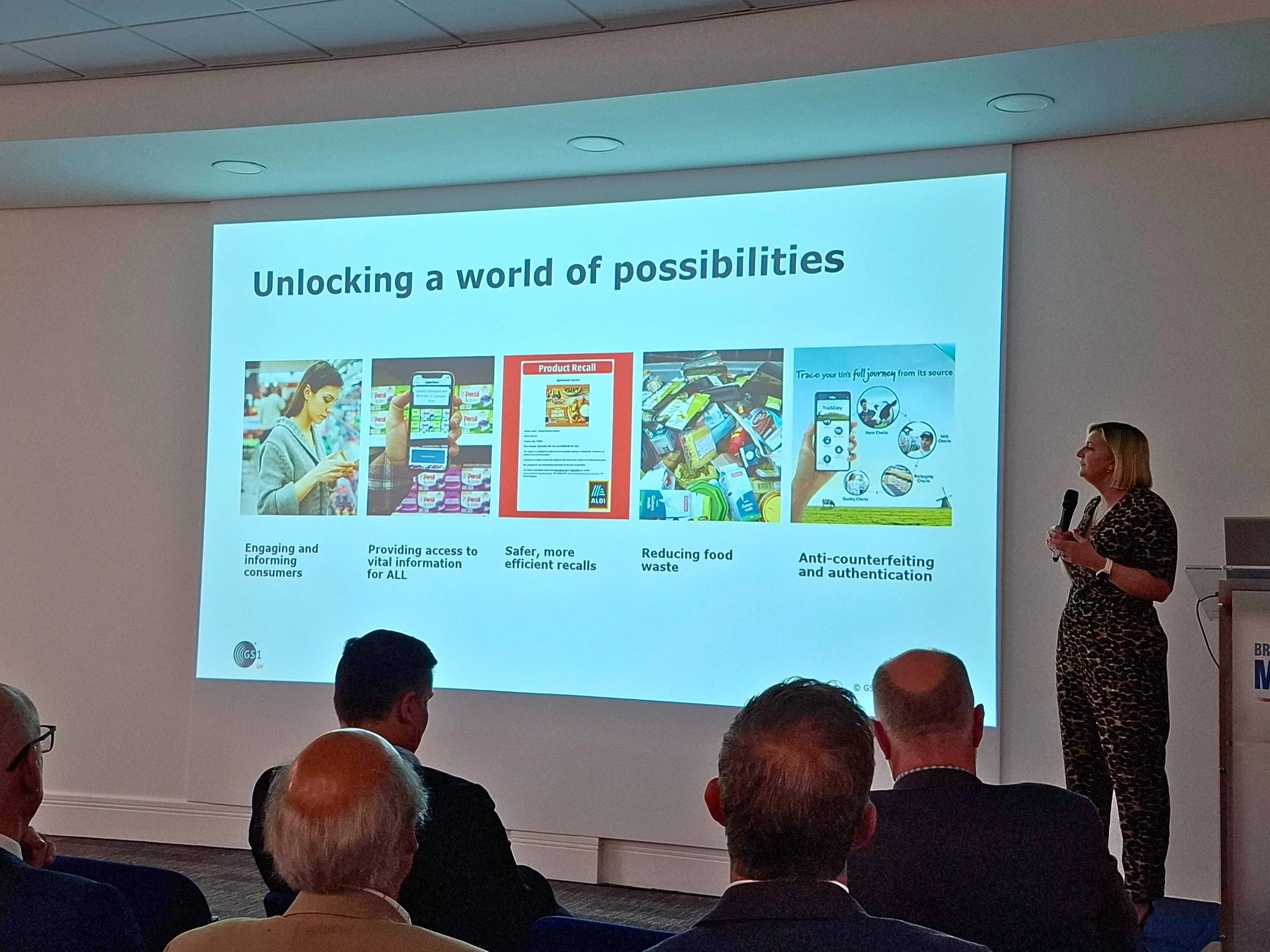
One of the most interesting presentations came from Camilla Young from GS1 UK, who discussed Sunrise 2027 and the gradual move from traditional barcodes towards QR codes.
Most people are familiar with the barcode that's been sitting on products for decades. It does a very specific job and does it well. The new generation of QR codes, however, has the potential to do much more.
Instead of simply identifying a product at the checkout, QR codes can provide access to information such as:
● Nutritional information
● Allergen information
● Sustainability credentials
● Recycling guidance
● Product certifications
● Product descriptions
● Recipes and usage information
● Traceability data
What struck me most is that we're likely to see both traditional barcodes and QR codes appearing on packs for a number of years while retailers continue upgrading their scanning systems.
That creates a practical challenge straight away. Packaging designers are already trying to fit a lot of information onto limited space, and now many products may need to accommodate two codes during the transition period.
It's something businesses may not be thinking about yet, but I believe it will become a more common conversation over the next few years.
Labels Are Becoming Information Gateways
One message seemed to come up repeatedly throughout the day – Labels are becoming more than product identifiers. Increasingly, they're becoming gateways to information.
Consumers want to know more about the products they buy. They want information about ingredients, sourcing, sustainability, recycling and product provenance. At the same time, regulations continue to evolve and businesses are being asked to provide greater transparency throughout the supply chain.
The challenge is that packaging isn't getting any bigger. QR codes offer a practical solution by allowing businesses to provide access to far more information without overcrowding the label itself.
As initiatives such as Digital Product Passports continue to develop, I think we'll see labels playing an even bigger role in connecting physical products with digital information.
Traceability Is Becoming More Important
Traceability was another recurring theme throughout the event.
Whether the discussion was coming from GS1, Domino or during the panel sessions, there was a clear focus on helping businesses identify products, track information and improve visibility throughout the supply chain.
Future QR code solutions could potentially provide access to information such as batch numbers, manufacturing information, product origin, expiry dates and recall information.
For sectors such as food and drink, chemicals, healthcare and consumer goods, this could create real benefits around compliance, recalls, waste reduction and consumer confidence.
Printing The Code Is Only Half The Job
One of the most interesting demonstrations from Domino focused on verification.
As more information becomes connected to labels, there is even greater emphasis on quality of the printed code. The code needs to scan correctly and the information needs to be accurate so the customer experience can be as seamless as possible.
A poor-quality code or incorrect data can quickly create problems throughout the supply chain.
For me, this reinforced something that's often overlooked. As these technologies become more widely adopted, verification and quality control will become just as important as the printing process itself.
What Does This Mean For Manufacturers?
The good news is that these changes won't happen overnight. Traditional barcodes aren't disappearing tomorrow and nobody needs to rush into major packaging changes immediately.
However, I do think now is a good time for manufacturers and brand owners to start understanding what's coming. Questions worth considering include:
● How could QR codes affect our packaging design?
● What information would be valuable for our customers to access?
● Are our current systems capable of supporting future traceability requirements?
● What changes might retailers introduce over the coming years?
Businesses that start thinking about these questions now will have more time to plan and adapt as requirements evolve.
Looking Ahead
One of my biggest takeaways from the event was that there are many benefits to the developments being driven by GS1.
As an industry, we have an opportunity to help customers navigate these changes successfully.
If we can support businesses through the design process and help them implement QR codes and traceability requirements correctly, we can also help improve the experience for retailers, consumers and everyone else involved in the supply chain.
There are still plenty of questions to answer and the transition will take time but the businesses that start preparing now will be in the strongest position as these changes continue to develop.